
What is foraging and how much forage should small pets eat?
Forage, meaning hay and grass, should make up around 80% of a rabbit, guinea pig, chinchilla or degu’s diet. ‘Foraging’ means searching for food, something that small animals naturally do in the wild, and a great way of replicating this is by creating this environment within our homes. We should also encourage our fur-friends to forage in order for them to stay fit and healthy, whilst searching for food. Sounds like a win-win to us!
Why is foraging important for rabbits, guinea pigs and other small pets?
Foraging is important for rabbits and other small pets because it keeps them active, slows down eating and supports healthy teeth and digestion. In the wild, rabbits would spend 80% of their waking time foraging and finding its own food. According to the Rabbit Welfare Association and Fund "when rabbits forage for food, they spend more time searching, eat more slowly, and eat more appropriate food, which reduces the chance that they will become overweight or ill".
How do you encourage a rabbit or small pet to eat forage?
- Always have clean, fresh forage available. Small animals feed constantly on forage to help with their teeth and digestive system so it is important to have forage on hand that they can always have access to.
- Make sure there is always a clean, fresh water supply - foraging for your hay is thirsty work you know!
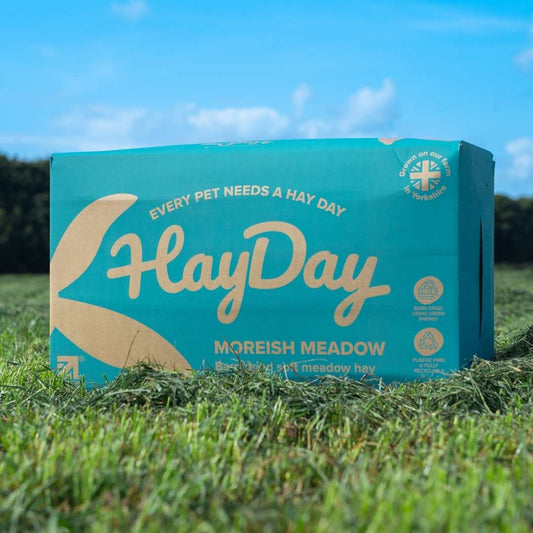
- Soft hay makes comfy bedding too (our Moreish Meadow is a favourite for this!) but make sure to remove any spoiled hay.
- Any changes to your small pet’s forage/diet, make sure to do this gradually. This must be undertaken over a period of 7-14 days and always consult your nutritionist or vet if you are not completely sure.
- Your small pet not eating hay can be caused by; eating too many treats, not liking the type of hay they have or their living space set up. Please ensure you are feeding the recommended amount of dry food and not overfeeding so that your small animal is motivated enough to consume sufficient hay.
What foraging ideas and toys work for rabbits and guinea pigs?
Stuffed paper bags, treat balls and hay-filled toilet roll tubes are simple foraging ideas for rabbits and guinea pigs. To encourage a rabbit or small pet to eat more forage, keep fresh hay available at all times, introduce changes gradually and make them search for it. The Rabbit Welfare and Association Fund suggest these as enrichment options:
- Stuff paper bags with hay and herbs and your buns will wrestle their way in.
- Use a treat ball to feed them, they will nose it around to get the hay and/or pellets.
- Stuff the cardboard tube from inside a toilet roll with hay for your buns to pick out their favourite bits.
See the full list available on the RAWF website!
Why won’t my rabbit eat hay?
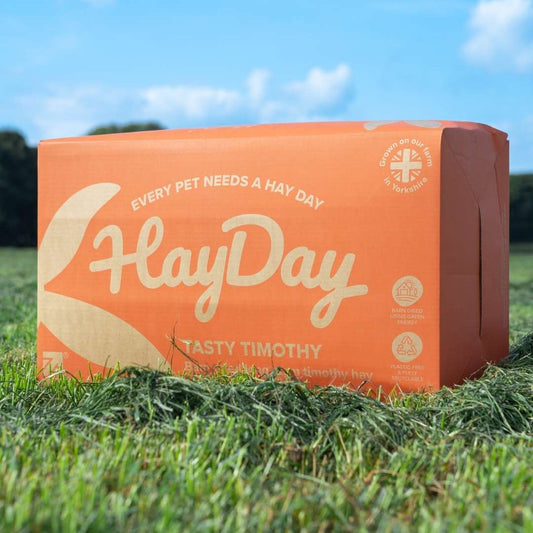
A rabbit that won’t eat hay is usually filling up on too many pellets or treats, doesn’t like the type of hay on offer, or has a living space that makes feeding awkward. Cut back on dry food, offer a different long stem hay such as Tasty Timothy or Moreish Meadow, and make sure hay is always fresh and easy to reach. If your rabbit stops eating hay altogether or stops pooping, contact a vet straight away, as it can be a sign of GI stasis.
Which hay is best for encouraging foraging in small pets?
Long stem hay is best for encouraging foraging because the coarse stems take longer to chew and give small pets more to search through. Offering a mix of hays, such as timothy and meadow, adds variety and helps fussy eaters. Our guide to the benefits of long stem hay explains why, and our timothy vs ryegrass guide compares the options.
Do guinea pigs, chinchillas and degus forage too?
Yes, guinea pigs, chinchillas and degus all forage naturally, so scattering hay, hiding greens in tubes and using hay feeders works for them as well as for rabbits. Our guides to guinea pig enrichment and small pet foraging behaviour have more ideas.
Obviously we would have to recommend our Tasty Timothy and Moreish Meadow as the perfect forage option - our reviews speak for themselves. Why not even look into having your HayDay as a hay subscription - to save you the time (and money...). Just let us do all the hard work for you!
Got any more questions about forage or foraging? We spoke to our nutritionist on Feeding Tips to Encourage Foraging, or you can find out more with our FAQs.