
For small animal owners, getting your small pet to eat their hay is not always as easy as it seems. Which is where creating fun and exciting enrichment comes in.
Enrichment doesn’t always mean going online and buying the biggest hay feeder or purchasing the fanciest of toys. It can be as simple as just cardboard household items such as empty toilet rolls, egg boxes or even a HayDay Hay Box.
In a guide created by our nutritionist Briony, hay should make up approximately 80 to 85% of your small pet's diet - including rabbits, guinea pigs, chinchillas and degus - and there are ways in which we can help create that more natural behaviour of searching for their food. Something which small animals know and love!
In our foraging guide; we explore what foraging actually is, why foraging is beneficial to your small pets and how you can reuse everyday household items for some foraging fun!
Click here > Premium, barn dried hay for your small pets.
What is foraging for small pets and rabbits?
Foraging is when small animals such as rabbits, guinea pigs, chinchillas and degus search for their food.
In the wild, wild rabbits would often be seen eating grass or other plants, which is a very natural way of them eating and assisting their dental, digestive and gut health. However, often in our homes this ‘wild’ diet is hard to replicate.
As premium, long stem hay is high fibre, this is a great way of supporting your small pet’s overall health. The use of feeding a premium hay choice, nuggets, leafy greens and without forgetting, the occasional treat - is our way of replicating a typical wild rabbit diet.
Why is foraging beneficial for rabbits and guinea pigs?
Foraging is beneficial for rabbits and guinea pigs because it encourages constant nibbling, which wears down their ever-growing teeth and keeps digestion moving. Not only is it a more natural way for them to eat, but it is also so good for healthy teeth, happy tummies and not to mention golden poops! When rabbits and other small animals forage for food, they are more likely to continuously nibble the hay, which in turn is extremely beneficial for your small animal's teeth. This chewing action helps keep their teeth properly worn in the way that nature intended.
As did you know - both rabbit and guinea pig teeth are ever growing? This is why a high fibre (premium hay) diet is required!
In an ideal foraging habitat, your small pet would be moving, foraging and eating throughout the day to not only keep them occupied but to also encourage correct digestion. Try to keep this in mind when planning where you place your hay!
How do you encourage a small pet to forage?
You can encourage a small pet to forage by scattering hay, hiding treats in it, offering different hays and using foraging toys. When it comes to encouraging your small pets to forage, we have five handy tips in our guide on how to make eating hay fun for your small animals.
To prevent boredom over time, make sure to keep changing your foraging ideas regularly. Finding forage should be a fun concept for small animals, however it may become repetitive for your small pets if they are always hidden in the same places or toys.
How do you make a small pet work for their food?
Make them work for their food! Scatter hay in places where your small pet needs to search for it, some ideas:
Indoors
You can spread their hay, pellets and leafy greens around their space or tuck it in multiple boxes or tubes, that can be then placed where suitable. Some great examples for indoor foraging are:
- Tunnels
- Hidey Houses
- Snufflemats
- Enrichment toys
Outdoors
Hide forage behind plant pots or around furniture in your garden. You could also scatter it under bushes and plants which is a great option as it will mix with leaves and fresh grass too providing perfect foraging.
We would always recommend, before allowing your rabbits to free roam outside, that your garden is predator and escape proof. It must also be said that whilst leaves and fresh grass represent a natural diet for wild rabbits, be extra diligent for any plants that your rabbit may be allergic to.
See more on the full list of dangerous plants for rabbits.
How do you hide treats and pellets in your small pet’s hay?
Scatter treats and pellets through your small pet’s hay so they have to forage to find them. When feeding your small pet the occasional treat or perhaps when you’re feeding them dry feed such as nuggets or pellets - try scattering some pieces throughout the hay as this will encourage them to forage through the hay for the pieces. It’s almost like them being rewarded for finding their treat - win win!
Another option for feeding pellets, which our ambassadors often favour, is to use snuffle mats. These are used as a slow feeding device, ultimately supporting your small pets digestion.
Should you offer different types of hay to encourage foraging?
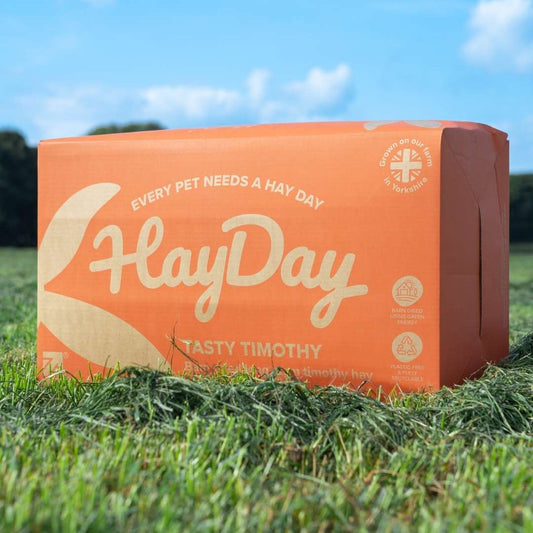
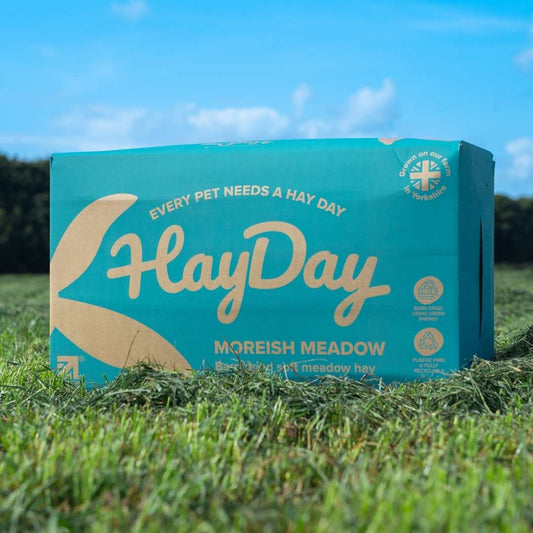
Yes, offering different types of hay, such as timothy and meadow, keeps foraging interesting and helps fussy eaters. Don’t just stick to one type - it is good to diversify your small pet’s diet by feeding and introducing them to multiple different types of hay such as our tasty timothy hay or our moreish meadow hay. Not only can some small pets be fussy eaters and make finding suitable hay a difficult task, but this will also help avoid boredom as providing different types of hay gives them some variety.
Our Hay Taster Packs are a great way to see which type of hay they prefer! As they’re made out of cardboard, you can also reuse and refill the packaging with their favourite hay, forage and treats.
When initially offering your small pet a new hay or perhaps when changing hay brands, as recommended by our nutritionist Briony, always do this gradually over a 7 to 14 day period.
Do foraging toys and boredom breakers work for small pets?
Yes, foraging toys, feeders and cardboard boredom breakers are the most popular way to encourage small pets to forage. Using foraging toys and feeders is a popular way of encouraging your small animal to forage - and is the most loved way in the small animal community. As mentioned earlier in our guide, enrichment can be made extremely fun for your small pet by putting them in toys or hay feeders for them to play with.
Recycling cardboard from household items such as empty toilet rolls and egg boxes will become your best friend. Not to mention, you’ll have a cupboard full of spares! It has been known to even get seasonal with your own enrichment, such as carving pumpkin faces into your toilet roll!
How can you reuse HayDay boxes for foraging?
You can reuse HayDay hay boxes as hidey houses, castles and foraging boxes, because they are 100% recyclable cardboard. Our Hay Boxes are 100% recyclable - that’s right! The environment is super important to us which is why we only use paper, cardboard and other environmentally friendly materials to package, and send our hay to your small pets.
Whether you choose to store your hay alternatively to the box, or wait until your small pet has eaten all their hay - there is plenty of fun to be had with our packaging. Gone are the days of buying hidey houses for your small pet, and it's now all about creating a castle or a spooky halloween mansion for your small animal (using HayDay boxes of course).
What is a HayDay hay taster pack?
A HayDay Taster Pack is a letterbox-friendly 50/50 box of Tasty Timothy and Moreish Meadow hay that encourages foraging. Small pets have been going crazy for our Taster Packs as they are great to encourage enrichment and foraging habits. Not only do they let your small animal do all the hard work by deciding which hay they prefer, but our packaging also provides endless hours of fun.
Our Taster Pack is:
- 50/50 Timothy and Meadow Hay
- Letterbox Friendly
- Reusable
- Suitable for all Small Pets
Click here > Shop 50/50 Taster Packs for your small pets.

Summary: why should small pets forage?
Foraging is an integral way in encouraging your small pet to eat their hay. Allowing your small pet to do so, can allow for endless hours of fun and countless amounts of binkies!
Just remember, with any small pet, that space and the correcting housing environment is essential. They must have space to run, jump, enjoy themselves and to forage freely.
Gone are the days where hutches are deemed acceptable as ‘a hutch is not enough’ and we would encourage for hutches to be only used for shelter, or as a base/run - not as their sole living environment. For more information, see the Rabbit Welfare Association and Fund.
If for any reason your small pet isn’t eating their hay, or other aspects of their diet and you are concerned - we would recommend speaking to a vet. Small pet’s not eating their hay can be a sign of GI Stasis, which can be fatal in some cases.
How do you encourage your small pet to forage? Let the team know over on Instagram, where we would love to see how creative you all are!
Frequently Asked Questions
What is foraging for rabbits and guinea pigs?
Foraging is a term to describe small animals searching for food, so you can make foraging fun at home for rabbits, guinea pigs, chinchillas and degus. Some top tips for foraging include scattering treats inside their regular hay supply, using boredom breakers or even getting creative by creating your own!
How much hay should rabbits and guinea pigs eat?
Rabbits and guinea pigs should eat hay and forage for around 80 to 85% of their diet, according to our nutritionist Briony, with unlimited access to fresh hay at all times. The rest of the diet is made up of a small portion of nuggets, leafy greens and the occasional treat. Our guides to what hay is and the benefits of long stem hay explain what to look for.
Why won’t my small pet eat their hay?
A small pet that won’t eat hay is usually fussy about the type, filling up on pellets or treats, or unwell. Try different hays with a taster pack, scatter hay in new places and cut back on dry food. If your rabbit stops eating or pooping, speak to a vet urgently, as it could be GI stasis.
Is it safe for rabbits to forage in the garden?
It is only safe for rabbits to forage in the garden if it is predator and escape proof and free from poisonous plants. Scatter hay behind plant pots or under bushes so it mixes with leaves and fresh grass, and check the list of dangerous plants for rabbits first.
Relevant Advice
How To Keep Rabbit Teeth Healthy
Rabbit Enrichment and Behaviour