
Kiwi fruit is safe for rabbits to eat, but it requires more care than most fruits. Kiwi sits in an interesting middle ground in the rabbit feeding world. Here's why, and exactly how to offer it and the precautions to take. Remember though, this should always be on top of the bundle of hay for rabbits they need every day.
Why Is Kiwi More Risky Than Other Fruits for Rabbits?
Kiwi is relatively acidic compared to many commonly fed fruits on the rabbit-safe list. That acidity is what makes it trickier than something like blueberries or pear.
Some rabbits handle kiwi fine. Others find even a small amount causes softer droppings or mild digestive discomfort.
The only way to know is to start very small - a single thin slice no bigger than your thumbnail, and monitor your rabbit over the next 24-48 hours before making it a regular treat.
If droppings stay normal and your rabbit seems comfortable, once a week at that portion size is the right limit to stick to. If anything changes, kiwi might just not agree with your particular rabbit, and that's fine — there are plenty of other options.
Like all fruit, it is naturally high in sugar and should only be offered occasionally. Introduce gradually and monitor your rabbit’s droppings for any changes.
Should You Peel Kiwi Before Feeding It to Rabbits?
Yes, you should peel the skin off every time. The fuzzy outer layer is harder to digest, tends to hold pesticide residue even after washing, and there's simply no reason to leave it on.
The seeds, however, are completely harmless. Unlike apple or pear seeds, kiwi seeds contain no harmful compounds. They're tiny, pass through the digestive system without issue, and picking them out would be a pointless exercise.
Does the Type of Kiwi Matter?
Green kiwi is the most common and the one most people think of. Gold kiwi is sweeter and slightly less acidic so if your rabbit has had mixed results with green kiwi, gold kiwi may be worth trying in small amounts. Baby kiwi (also called kiwi berries) are also safe and some rabbits find the softer skin and milder flavour more appealing.
What Is the Best Hay for Rabbits that Eat Kiwi
At Hay Day, we grow all of our hay from our farm here in Yorkshire - and across everything we write about rabbit nutrition, the message is always the same. Hay first, with everything else in addition to this.
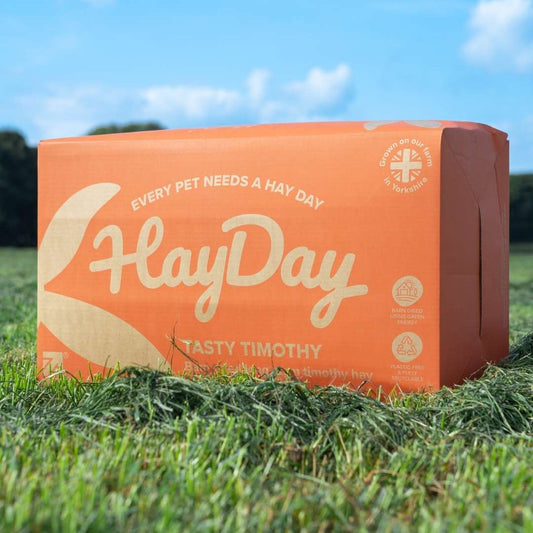
The variety of hay you offer matters more than most people think. Timothy hay is the go-to for adult rabbits as the protein and fibre levels keeps the gut moving and the texture keeps teeth worn naturally.
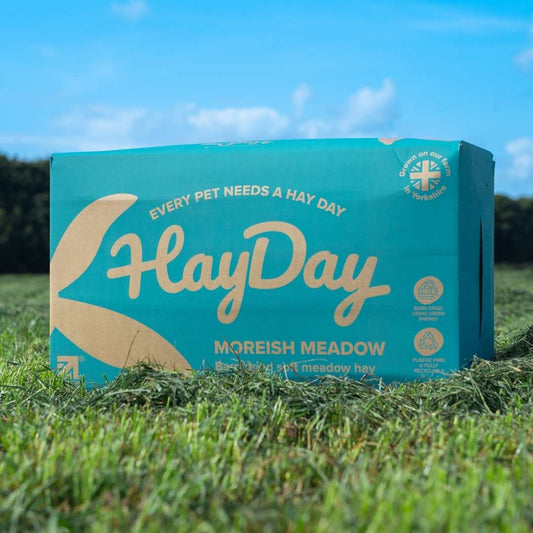
Meadow hay brings variety in texture and is softer to encourage fussy grazers. Adding oat hay to the diet is a great way to diversify and works well mixed with timothy.
Ryegrass hay is sweet and popular with rabbits who find timothy too coarse. As with any hay type, but always ensure it's fresh and properly stored.
Alfalfa hay is best for young rabbits up to 6 months, pregnant or nursing rabbits, and those recovering from illness. For healthy adults, it's too calcium and protein-rich for daily feeding, however can be fed in moderation as an additional treat.
Unlimited hay, every day. That's the starting point for everything else.
What Greens Are Safe for Rabbits With Sensitive Stomachs?
Because kiwi is acidic and needs to be kept occasional, make sure the rest of the fresh food in your rabbit's diet is as gentle as possible:
- Cabbage - Greener the better for rabbits
-
Butterhead lettuce - mild, soft, and very well tolerated; a good daily leafy base
-
Coriander - a herb most rabbits love; easy to grow on a windowsill and great for daily feeding
-
Spinach - safe but high in oxalates, so two or three times a week rather than daily
-
Broccoli leaves - the leaves are often better tolerated than the florets, which can cause gas in some rabbits
-
Rocket - peppery and nutritious; most rabbits enjoy it as part of a varied daily mix
-
Spring greens - a reliable, well-tolerated everyday staple
What Fruits Are Similar to Kiwi That Rabbits Can Eat?
-
Pineapple - small cube, once a week; fresh only; some rabbit owners suggest it may support digestion but treat it as a fruit snack rather than a remedy
-
Peach - thin slice, once a week; flesh only, stone always removed
-
Plum - very small piece, once a week; flesh only, stone removed; high in sugar so keep it minimal
-
Apple - 1–2 slices once or twice a week; flesh only, seeds and core out
-
Strawberries - 1 small berry twice a week; leaves and tops are also safe
Grapes and raisins are not toxic to rabbits, but they are very high in sugar and are best avoided. Avocado, however, is toxic and should be kept completely out of reach
What Household Foods Are Dangerous for Rabbits?
-
Onions, leeks, garlic, chives - toxic
-
Rhubarb - toxic
-
Avocado - highly toxic
-
Any fruit stone or pip (cherry, plum, apricot, peach, apple, pear) - cyanide risk. These also pose a choking risk if ingested whole.
-
Iceberg lettuce - low nutrition, contains lactucarium
-
Processed food - bread, pasta, biscuits, crackers
-
Chocolate - toxic
-
Nuts and seeds - far too high in fat
Best Quality Hay, Delivered to Your Door — Anywhere in the UK
Kiwi is the occasional treat, but hay is the everyday essential. And getting the best quality hay for your rabbit shouldn't be complicated.
At HayDay, we grow our hay from our farm in Yorkshire and ship our full premium range, including timothy hay, meadow hay, oat hay, ryegrass hay and alfalfa hay to rabbit owners nationwide. Every pack is premium quality, dust-extracted and helps encourage natural foraging behaviours in rabbits.
If you're tired of running out mid-week or making last-minute trips to a pet shop, our hay subscription service was made for you. Choose your hay type, set your delivery schedule, and we keep your rabbit’s favourite hay stocked automatically.
Subscribers save 15% on every order, and you can pause, adjust, or cancel whenever you like - no fuss and no cancellation fee!
One less thing to think about. And one very happy rabbit!
Relevant Links
Frequently Asked Questions
What are the signs of poor-quality hay that I should look out for?
Poor quality hay will often look yellow or brown instead of green, feel brittle or dusty, and have a lack of fragrance. High-quality hay should smell sweet, look mostly green, and contain visible long stems, which are vital for dental and digestive health.
Can I mix and match different types of hay in my HayDay subscription order?
Yes, you can easily adjust your subscription to rotate or mix hay types, such as setting up separate deliveries for Timothy and Meadow hay, to ensure your rabbit gets the enrichment and variety it needs.