
The answer is yes, guinea pigs can eat parsnips, with a couple of important things to bear in mind.
Parsnip is one of the more overlooked vegetables in guinea pig feeding guides. It doesn't come up as often as broccoli or pepper, but owners who have parsnips sitting in the kitchen fridge quite reasonably want to know if they can share.
We don’t just provide the best quality guinea pig hay in the UK here at HayDay, but we also like to advise you with top tips on feeding your guinea pig parsnip and other vegetables along the way. Let’s see how exactly you should introduce parsnip into your pet’s diet!
Is Parsnip Safe for Guinea Pigs?
Yes, raw parsnip is safe for guinea pigs. The key word there is raw. Cooked parsnip, like all cooked vegetables, should never be fed to guinea pigs! Their digestive systems are designed entirely for raw, fibrous plant matter and cooked food can cause serious digestive problems.
Raw parsnip contains vitamin C, fibre and folate - none of which is harmful in reasonable amounts. The key issue is the sugar content. Parsnips are relatively high in natural sugars for a root vegetable, which means they sit firmly in the treat category rather than the daily staple category.
How Much Parsnip Can a Guinea Pig Eat?
A small thin slice (approximately the size of a 50p coin) once or twice a week is the right amount. It's not a vegetable to offer daily, and it shouldn't make up a significant part of the fresh food rotation. Think of it as an occasional change rather than a go-to green!
Always wash the parsnip thoroughly and peel it before serving. The skin can hold more pesticide residue than the flesh.
Can Guinea Pigs Eat Parsnip Tops and Leaves?
The leafy green tops of parsnips are a different matter. Raw parsnip leaves contain furanocoumarins which are naturally occurring compounds that can cause skin photosensitivity and irritation. It's best to leave the tops out entirely and stick to the root only.
What About the Parsnip Skin?
You should always peel the parsnip skin off. It's not severely harmful, but it has the potential to hold more surface residue (if not washed properly) and is tougher to digest and less palatable than the flesh. It only takes two seconds to peel and is worth it every time.
Hay! The Non-Negotiable Part of Any Guinea Pig Diet
Here at HayDay, we grow our hay from our Yorkshire farm and we'll always say the same thing: no matter how good the fresh vegetables you're offering are, none of them replace what hay does for a guinea pig.
Unlimited hay every day supports healthy gut motility and helps prevent digestive issues and provides the constant chewing action that keeps ever-growing teeth in check.
The type of hay you choose matters:
-
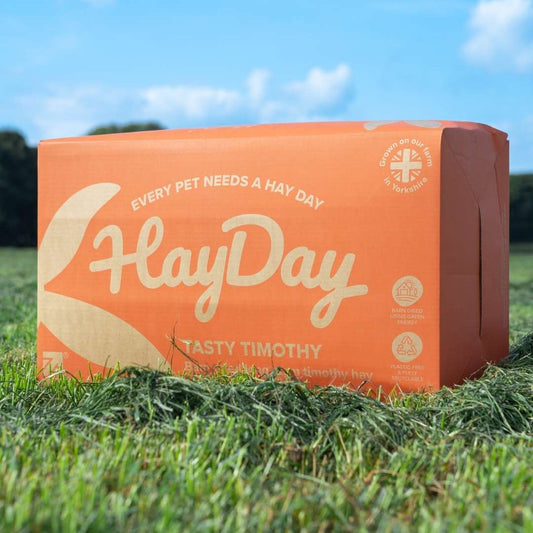
Timothy hay is the everyday staple for adult guinea pigs. Think high fibre, moderate protein and naturally coarse stems which are brilliant for teeth and digestion
-
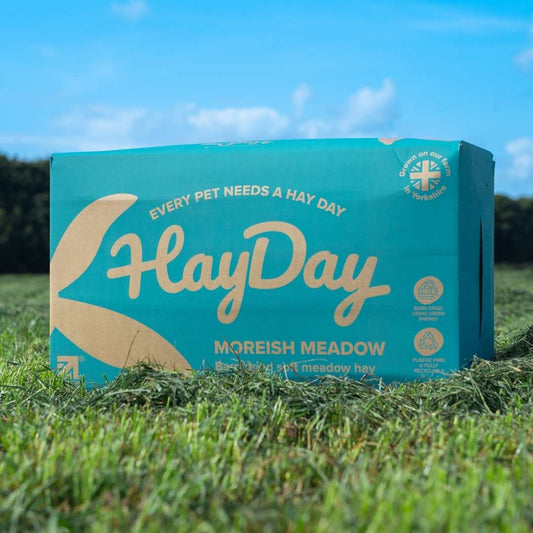
Meadow hay is a softer and more varied everyday feeding hay. It’s the go-to for guinea pigs who aren't enthusiastic grazers and those who require a suitable bedding hay too!
-
Oat hay is crunchy and nutritious with great fibre content. This complementary feeding hay works well mixed with timothy or meadow hay to add variety
-
Ryegrass hay is extremely palatable, making it a popular option for guinea pigs.
-
Alfalfa hay is higher in protein and calcium to support health and development in guinea pigs up to 6 months old. It’s also suitable for pregnant or nursing piggies, and those recovering from illness.
Forage (grass and/or hay) should represent the majority of a guinea pig’s diet (80-95%) in order to maintain healthy digestive and dental function.
Better Daily Vegetables Than Parsnip
Because parsnip is a once or twice a week treat, the daily fresh food should be built around lower sugar, yet higher nutrition options:
-
Red bell pepper - the best daily vitamin C source going for guinea pigs! A safe, every day and almost universally loved.
-
Romaine lettuce - a hydrating, gentle and suitable every day vegetable.
-
Rocket - low in sugar and a good daily leafy green.
-
Coriander - a great daily herb, easy to grow and well tolerated.
-
Flat-leaf parsley - feed small amounts daily as it has excellent vitamin C content.
-
Spring greens - a reliable, low-oxalate everyday staple.
Other Vegetables and Fruits to Try
-
Cucumber - A small daily addition, which is great to assist with hydration.
-
Courgette - a mild and safe, good variety option
-
Broccoli stalks and leaves - offer a few times a week, but avoid feeding large amounts of florets due to gas.
-
Strawberries - offer 1 small berry twice a week.
-
Apple - offer 1–2 small slices twice a week. Always remove seeds and core.
-
Pear - offer 1–2 thin slices twice a week. Remember to peel and remove the seeds.
Grapes and raisins are not toxic, but are very high in sugar and are best avoided. Never feed avocado as these are toxic to guinea pigs.
If your guinea pig does come into contact with any toxic food, we would always recommend seeking the advice of an exotic vet immediately.
Avoid offering multiple fruits on the same day to keep overall sugar intake low.
What Should Guinea Pigs Never Eat?
-
Onions, garlic, leeks, chives - toxic.
-
Rhubarb - toxic in any amount.
-
Avocado - highly toxic.
-
Chocolate - toxic.
-
Cooked vegetables of any kind - harmful to digestion.
-
Potatoes - toxic.
-
Parsnip leaves and tops - contain furanocoumarins and are best avoided.
-
Iceberg lettuce - causes loose stools and has a low nutritional value.
-
Bread, pasta, crackers - harmful to gut health.
-
Dairy and meat - guinea pigs are strict herbivores.
-
Nuts - too high in fat.
Fresh Hay Delivered to Guinea Pig Owners Across the UK
Parsnip is a perfectly fine occasional treat, but hay is the one thing that can't be skipped! At HayDay, we grow our full premium hay range from our farm in Yorkshire and deliver to guinea pig owners all across the UK.
Timothy hay, meadow hay, oat hay, ryegrass hay, and alfalfa hay are all available to purchase as a one-off order or as part of our hay subscription service. For our subscriptions: simply set your variety, choose your delivery frequency and we take care of the rest. Better pricing than one-off orders, easy to manage with no cancellation fee.
Relevant Links
Frequently Asked Questions
How often should I change my guinea pig's water?
Water should be changed daily, or more often if it becomes soiled, to ensure consistent access to clean and fresh hydration.
Why do guinea pigs eat their own droppings?
This behaviour, known as coprophagy, is normal and essential for your guinea pig's health because they consume a special type of soft dropping (cecotropes) to re-digest necessary B vitamins and nutrients.
What is the minimum amount of hay they need daily?
Guinea pigs require unlimited hay access every day; as a guideline, they should eat a pile of hay roughly equivalent to their body size each day to support dental health and digestive function.