
Guinea pigs can eat rocket, and it's actually one of the better leafy greens you can offer them. It's low in sugar, packs a decent nutritional punch and most guinea pigs take to the peppery flavour immediately.
Some (as many small pets can be!) are a little more cautious at first, but give them a chance and the vast majority come around.
Is Rocket Safe for Guinea Pigs?
Yes, rocket is safe for guinea pigs when fed as part of a balanced guinea pig diet. It contains vitamin C, which is particularly important for guinea pigs since, like humans, they cannot produce their own and must get it entirely through diet.
A deficiency leads to scurvy, which causes lethargy, joint pain, and in serious cases can be fatal. Rocket won't cover all their vitamin C needs on its own, but it's a solid contribution alongside other fresh foods. As with all leafy greens, variety is important to avoid over-reliance on any one type.
It's generally lower in calcium and oxalates than some leafy greens , which makes it a more everyday-friendly option than something like spinach or kale.
How Much Rocket Can a Guinea Pig Eat?
Rocket is mild enough to be fed regularly as part of a varied leafy green mix. A small handful alongside other greens is the right amount - however, the key with guinea pigs is variety! So it’s important to rotate rocket with other safe leafy greens and vegetables rather than relying on it as the only option.
Always wash rocket thoroughly before serving, and introduce it gradually (over a period of 7 to 14 days) if your guinea pig hasn't had it before.
Can Guinea Pigs Eat Wild Rocket?
Yes - wild rocket is safe and often has a stronger, more peppery flavour than the cultivated variety. Most guinea pigs enjoy it and it has a has a similar nutritional profile to cultivated rocket
Just make sure it’s been washed thoroughly to remove any traces of pesticides if you're picking it fresh from a garden and ensure it hasn’t been exposed to contaminants such as traffic pollution or animal waste.
Why Hay Is Just As Important for Guinea Pigs
Here at HayDay, we grow our fresh guinea pig hay from our Yorkshire farm for your guinea pigs and everything we know about small animal nutrition points to the same conclusion: hay is the foundation of a healthy guinea pig diet and not an optional extra.
Guinea pigs need unlimited hay every single day (80-95%). It keeps their digestive system moving, prevents dangerous gut slowdowns and provides the constant chewing action that wears down their continuously growing teeth.
Without enough hay, even the best fresh food diet won't keep a guinea pig healthy. The variety you choose matters!
-
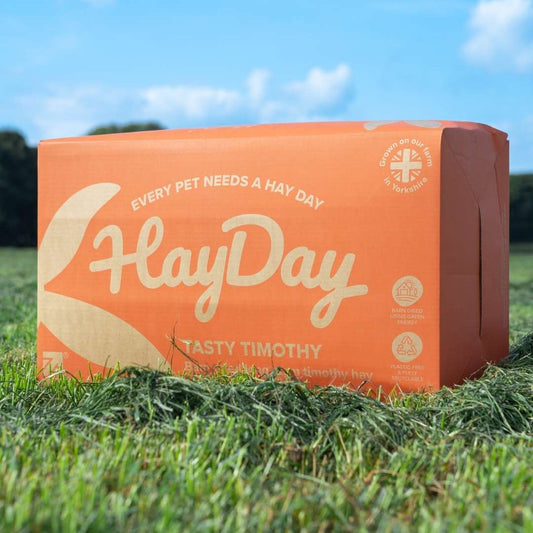
Timothy hay is the everyday staple for adult guinea pigs. Think high fibre and naturally coarse stems which are brilliant for teeth and digestion
-
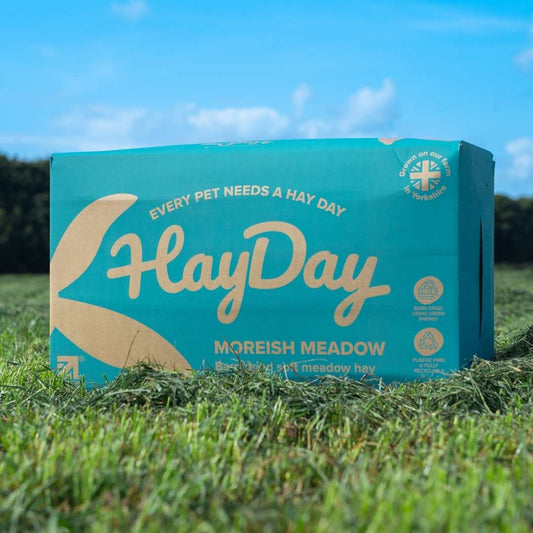
Meadow hay is a softer and more varied everyday feeding hay. It’s the go-to for guinea pigs who aren't enthusiastic grazers and those who require a suitable bedding hay too!
-
Oat hay is crunchy and nutritious with great fibre content. This complementary feeding hay works well mixed with timothy or meadow hay to add variety
-
Ryegrass hay is extremely palatable, making it a popular option for guinea pigs.
-
Alfalfa hay is higher in protein and calcium to support health and development in guinea pigs up to 6 months old. It’s also suitable for pregnant or nursing piggies, and those recovering from illness.
Forage (grass and/or hay) should represent the majority of the diet (80-95%) in order to maintain healthy digestive and dental function.
What Other Greens Can Guinea Pigs Eat Daily?
Rocket works best as part of a varied rotation. Other great daily or regular options include:
-
Romaine lettuce - a gentle, hydrating and very well tolerated every day.
-
Flat-leaf parsley - high in vitamin C and brilliant for daily feeding in small amounts.
-
Coriander - a herb most guinea pigs love and a great daily addition.
-
Cos lettuce - mild, safe, and easy to find.
-
Basil - safe in small amounts and adds good variety to the bowl
-
Dandelion leaves - excellent vitamin C source which most guinea pigs go mad for!
What Fruits Can Guinea Pigs Eat as Treats?
Although fruits are naturally higher in sugar, in moderation, they can be a great addition to offer (from time to time) to enrich your guinea pigs diet a little more.
-
Strawberries - offer 1 small berry twice a week. The leaves are also safe to feed!
-
Blueberries - offer 2–3 berries twice a week.
-
Apple - offer 1–2 small slices twice a week. Always remove the seeds and core.
-
Watermelon - offer one small cube once a week. The rind is also safe.
-
Pear - offer 1–2 thin slices twice a week. It’s key to remove the seeds and core.
-
Kiwi - a small peeled slice once a week is suitable as it’s a good vitamin C source.
Grapes and raisins are not toxic, but are very high in sugar and are best avoided. Never feed avocado as they are toxic to guinea pigs.
Fruit should be limited overall, so avoid offering multiple types on the same day.
What Foods Are Dangerous for Guinea Pigs?
It’s equally key to know what you should avoid feeding your guinea pigs, as well as being educated on what a healthy diet looks like. Here’s some feeds which are dangerous to guinea pigs, and should not be offered:
-
Onions, garlic, leeks, chives - toxic.
-
Rhubarb - toxic in any amount.
-
Avocado - highly toxic.
-
Chocolate - toxic.
-
Potato and potato tops - toxic.
-
Iceberg lettuce - low nutrition, can cause loose stools.
-
Bread, crackers, cereal - no nutritional value, harmful to gut health.
-
Nuts and seeds - too high in fat.
-
Dairy and meat - guinea pigs are strict herbivores.
Premium Hay for Guinea Pigs, Delivered Nationwide
Rocket is a brilliant daily green, but the hay rack (and hay!) is what holds the whole diet together. At HayDay, we grow our full range of premium hay from our Yorkshire farm and deliver to guinea pig owners all across the UK.
From Timothy hay and meadow hay for everyday feeding, to oat hay and ryegrass hay for added variety and enrichment, to alfalfa hay for young or recovering guinea pigs - everything is dust extracted, barn dried and highly nutritious for your pets.
Our hay subscription service means you'll never run out too! Choose your variety, set your delivery frequency, and we handle the rest… You can also get the benefit of 15% off your hay compared to one-off orders, which are easy to manage with no cancellation fee!
Relevant Links
Frequently Asked Questions
How much fruit is too much for a guinea pig in a week?
A guinea pig's diet should contain very minimal sugar. Fruit should be limited to small pieces (like a couple of blueberries or a strawberry slice) offered no more than twice per week, as excessive sugar intake can lead to digestive upset and weight gain.
What is the most common mistake owners make when feeding new vegetables?
The most common mistake is introducing too many new vegetables at once or too quickly. Any new food should be introduced one at a time in very small portions and monitored over several days to ensure it doesn't cause digestive upset or loose stools.
How can I encourage my guinea pig to eat more hay?
The best way to encourage hay eating is to ensure hay is always available and fresh, offering it in multiple locations (like a hay rack and a pile for burrowing), and trying different varieties such as Timothy, Meadow, or Oat hay to find what they like best.