
Broccoli is one of those vegetables that comes up constantly in guinea pig feeding conversations - and usually, this is because owners aren't sure whether it's the florets, the stalks or the leaves that matter. The answer is more nuanced than a simple yes or no, and it's worth understanding before you start offering it regularly.
Which Part of Broccoli Can Guinea Pigs Eat?
This is where most guinea pig owners get it wrong, so let's break it down:
Broccoli florets
Broccoli florets are safe for guinea pigs, but in small amounts only. The florets are the typically ‘gassy’ part. They contain compounds that ferment in the gut and cause gas or digestive discomfort in some guinea pigs, which is uncomfortable at best and painful at worst. Small amounts occasionally are fine, but daily feeding of the florets is not recommended.
Broccoli stalks
Broccoli stalks are often better tolerated by guinea pigs and provide a good source of fibre- most guinea pigs crunch through them happily. A small piece of stalk a few times a week is a perfectly reasonable addition to the diet.
Broccoli leaves
Broccoli leaves are great for guinea pigs and are the most underrated part of the plant! The leaves are safe, nutritious and far less likely to cause gas than the florets. If you grow your own broccoli, don't compost the leaves and pass them straight to your guinea pig (after washing thoroughly and ensuring they haven’t been treated with pesticides).
Is Broccoli High in Vitamin C?
The answer is yes - broccoli is high in vitamin C and that matters a lot for guinea pigs. Like humans, guinea pigs can't synthesise their own vitamin C and must get it through diet every day. Broccoli is a genuinely good source, particularly the florets and leaves - however, we would always recommend feeding vitamin C rich pellets as the main source (10-15% of overall diet).
This makes it more valuable than many other vegetables from a nutritional standpoint. However, it’s important to just keep an eye on the gas factor and adjust portions based on how your particular guinea pig responds.
How Often Should You Feed Broccoli to a Guinea Pig?
You can feed broccoli stalks and leaves up to two to three times a week in appropriate portions. For the florets, once or twice a week in small amounts is enough - and if you notice bloating, softer poops or your guinea pig seeming uncomfortable, scale back or cut them out entirely.
Always introduce broccoli slowly (over a period of 7 to 14 days) if it's new to your guinea pig's diet. If you notice any changes in droppings, appetite or behaviour, we would always recommend seeking the advice of an exotic vet.
The Hay Rack Is the Real Foundation
Here at HayDay, everything we do starts with hay and we'd advise the same to every guinea pig owner reading this. Fresh vegetables like broccoli are a brilliant addition to the diet, but they sit on top of a guinea pig's hay foundation, not instead of one.
Guinea pigs need unlimited hay every day for healthy digestion, dental health and mental stimulation. The variety you choose also makes a real difference:
-
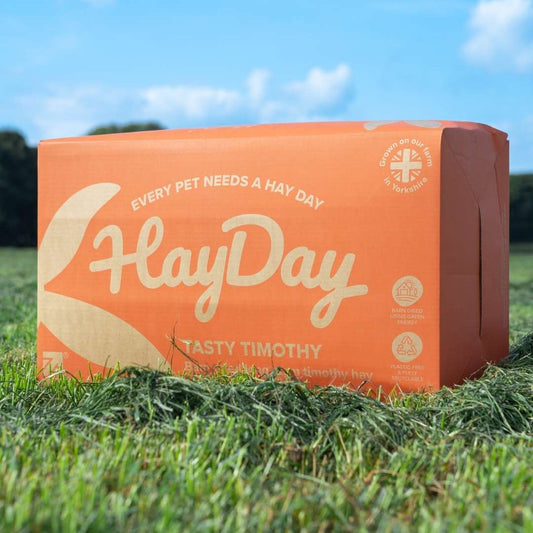
Timothy hay is the everyday staple for adult guinea pigs. Think high fibre, moderate protein and naturally coarse stems which are brilliant for teeth and digestion
-
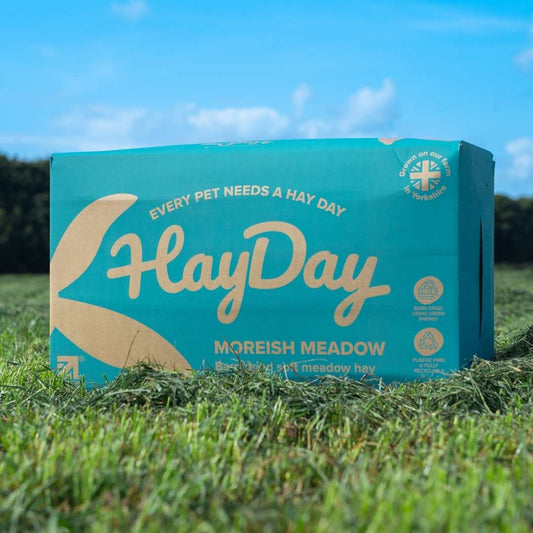
Meadow hay is a softer and more varied everyday feeding hay. It’s the go-to for guinea pigs who aren't enthusiastic grazers and those who require a suitable bedding hay too!
-
Oat hay is crunchy and nutritious with great fibre content. This complementary feeding hay works well mixed with timothy or meadow hay to add variety
-
Ryegrass hay is extremely palatable, making it a popular option for guinea pigs.
-
Alfalfa hay is higher in protein and calcium to support health and development in guinea pigs up to 6 months old. It’s also suitable for pregnant or nursing piggies, and those recovering from illness.
Forage (grass and/or hay) should represent the majority of the diet (80-95%) in order to maintain healthy digestive and dental function.
Always ensure to provide the best high quality guinea pig hay to ensure your small pets are getting the maximum nutrition from their hay.
What to Feed Guinea Pigs Daily Instead of Relying on Broccoli
Because broccoli is best kept to a few times a week, it’s best to build the daily diet around these key components:
-
Good quality hay
-
Guinea pig pellets - especially those rich in vitamin C
-
Fresh leafy greens and vegetables
-
Fresh water
In terms of other vegetables and leafy greens you can feed, here are some of our favourites:
-
Bell pepper (red or green) - the single best, everyday vitamin C source for guinea pigs! Safe and loved daily.
-
Romaine or cos lettuce - a gentle, hydrating and safe every day feed.
-
Rocket - peppery, low in sugar and a great daily leafy green.
-
Flat-leaf parsley- high in vitamin C and good in small amounts daily.
-
Carrot tops - only feed the leafy green tops, not the carrot itself.
-
Dandelion leaves - loved by most guinea pigs and a great vitamin C contribution. You can try sprinkling dandelion leaves into their hay for added enrichment.
Other Vegetables and Fruits to Rotate In
-
Cucumber - a hydrating and low calorie option. A good daily addition in small quantities.
-
Courgette - typically mild, safe and well tolerated by guinea pigs.
-
Strawberries - offer 1 small berry twice a week as a good vitamin C source.
-
Apple - offer 1–2 small slices twice a week. Feed the flesh only and remove the seeds and core.
-
Blueberries - offer 2–3 berries twice a week.
-
Pear - offer 1–2 thin slices twice a week, but always remove the seeds and core.
Others like tomatoes and celery are also options for guinea pigs in moderation.
Grapes and raisins are not toxic, but are very high in sugar and are best avoided. Never feed avocado, as these are toxic to guinea pigs.
Avoid offering multiple fruits on the same day to keep overall sugar intake low.
Foods Guinea Pigs Should Never Eat
It’s important that guinea pigs never have access to the below toxic foods. If they do happen to come into contact with any toxic food, we would always recommend seeking the advice of an exotic vet or nutritionist, immediately.
-
Onions, garlic, leeks, shallots - toxic.
-
Rhubarb - toxic in any amount.
-
Avocado - highly toxic.
-
Chocolate - toxic.
-
Potatoes and potato skins - toxic.
-
Iceberg lettuce - causes digestive upset and low in nutrition.
-
Bread, crackers, pasta, cereal - no nutritional value and very harmful.
-
Dairy and meat - guinea pigs are strict herbivores.
-
Nuts and seeds - too high in fat.
Premium Hay for Guinea Pigs - Delivered Straight to Your Door
Broccoli is a useful vegetable, but hay is what should be non-negotiable. At HayDay, we grow our premium hay from our Yorkshire farm and deliver it fresh to guinea pig owners all across the UK.
Our range covers every forage requirement - timothy and meadow hay as everyday feeding hays, oat hay and ryegrass hay for added enrichment and palatability, and alfalfa hay for young and growing guinea pigs. All grown and dispatched from the farm.
Set up a hay subscription and never think about reordering again! Choose your variety, set your schedule and we handle the rest - delivered directly to your door. Enjoy 15% off with our subscriptions too rather than paying full price for one-off orders with easy cancellation too.
Relevant Links
FAQS
What if my guinea pig gets gas?
If you notice mild discomfort or softer droppings after introducing a new vegetable, temporarily stop feeding that vegetable and ensure unlimited access to high-quality hay and fresh water. If symptoms persist or worsen (e.g., lethargy or refusal to eat), seek immediate veterinary advice, as bloat can be serious.
Should I rotate their greens?
Yes, rotation is key. Offer a variety of 3-5 different safe leafy greens each day. This ensures a balanced intake of nutrients and prevents over-consumption of compounds like calcium and oxalates that can be high in single types of greens.