
Yes, guinea pigs can eat cucumber, but only in moderation.
Cucumber is one of the most commonly offered vegetables to guinea pigs - and for good reason!
It's safe, widely available to purchase in supermarkets or grow at home and most guinea pigs enjoy it. But it's worth understanding exactly what cucumber does and doesn't bring to the diet before making it a daily staple.
Read on in this guide from us where at HayDay to find out how to safely feed your guinea pig cucumber, plus ensure they are getting the best guinea pig hay all day everyday.
Is Cucumber Good for Guinea Pigs?
Cucumber is safe for guinea pigs but it's more of a hydration tool than a nutritional powerhouse. It's around 95% water, which makes it a brilliant way to keep guinea pigs hydrated - particularly during those warmer months. What it doesn't bring is much in the way of vitamins, minerals or fibre. It's low in vitamin C, which is the nutrient guinea pigs need most (as they don’t naturally produce this) from their diet.
That doesn't make cucumber a bad choice - it just means it should sit alongside more nutritionally dense vegetables rather than taking up too much space in the bowl.
How Much Cucumber Can a Guinea Pig Eat?
A few thin slices a day of cucumber is absolutely fine. Because of the high water content, very large amounts can cause loose droppings, so it’s key to keep it as a small addition to a varied mix rather than the main event. If your guinea pig hasn't had cucumber before, start with a single slice and watch how they respond. You should always introduce new foods slowly, over a period of 7 to 14 days.
Can Guinea Pigs Eat Cucumber Skin and Seeds?
Cucumber skin is safe to feed in appropriate amounts and actually contains small amounts of fibre and nutrients. As with any fresh fruit and vegetables, always wash the cucumber thoroughly before serving to remove any surface residue or pesticides.
The seeds are also fine to feed. Cucumber seeds are soft, tiny, and generally harmless, meaning there is no need to remove them.
The whole cucumber, from skin to seeds to flesh, is entirely safe to feed. Just wash it first and serve in sensible amounts, alongside the key staples in their diet (which we will continue to discuss below!)
What Cucumber Doesn't Replace
Cucumber is useful, but it's worth saying clearly: its high water content means it may lead to softer droppings or mild digestive upset if fed in large quantities. A few slices can be included regularly as part of a varied mix. The bulk of fresh food should still come from leafy greens and herbs rather than cucumber directly.
Hay - The Daily Non-Negotiable!
Here at HayDay, we grow all of our hay from our Yorkshire farm - and the reason we talk about it in every piece of guinea pig content we write is because it genuinely matters more than any fresh food choice.
Guinea pigs require unlimited amounts of hay every day. Hay (and specifically a high fibre diet) helps to keep the gut moving, teeth in a healthy condition and the mind occupied. Without it, even the best fresh food diet won't keep a guinea pig happy, healthy and enriched for long.
Here's a quick guide to the different hay types we offer:
-
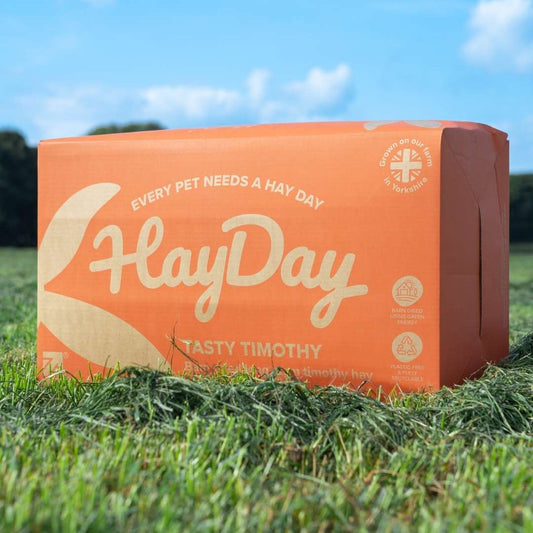
Timothy hay is the everyday staple for adult guinea pigs. Think high fibre, moderate protein and naturally coarse stems which are brilliant for teeth and digestion
-
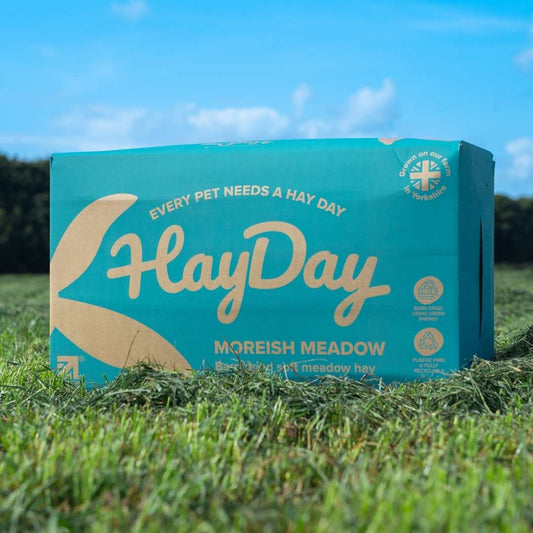
Meadow hay is a softer and more varied everyday feeding hay. It’s the go-to for guinea pigs who aren't enthusiastic grazers and those who require a suitable bedding hay too!
-
Oat hay is crunchy and nutritious with great fibre content. This complementary feeding hay works well mixed with timothy or meadow hay to add variety
-
Ryegrass hay is extremely palatable, making it a popular option for guinea pigs.
-
Alfalfa hay is higher in protein and calcium to support health and development in guinea pigs up to 6 months old. It’s also suitable for pregnant or nursing piggies, and those recovering from illness.
Forage (grass and/or hay) should represent the majority of the diet (80-95%) in order to maintain healthy digestive and dental function.
What Should Make Up the Bulk of Daily Fresh Food?
Cucumber should be in addition to fresh hay, vitamin C rich pellets, leafy greens and water. Other suitable leafy greens and vegetable options include:
-
Red or green bell pepper - the best daily vitamin C source for guinea pigs, which should be a non-negotiable in a healthy and balanced diet.
-
Romaine or cos lettuce - safe to feed every day. Great to support hydration!
-
Flat-leaf parsley - feed small amounts daily due to its excellent vitamin C content.
-
Rocket - this is low in sugar, has a peppery taste and is overall a great daily rotation green.
-
Dandelion leaves - loved by most guinea pigs and a fantastic vitamin C contribution.
-
Coriander - a safe daily herb that most guinea pigs genuinely enjoy.
Fruits to Offer as Occasional Treats
-
Strawberries - feed 1 small berry twice a week as this can be a good vitamin C boost.
-
Blueberries - offer 2–3 berries twice a week.
-
Watermelon -a small cube is a great treat once a week.
-
Apple - offer 1–2 small slices twice a week. Feed the flesh only and always remove the seeds and core.
-
Pineapple - a small cube once a week. Pineapple should be served fresh only! It is also high in sugar so keep it minimal, or offer an alternative fruit.
-
Kiwi - a small peeled slice once a week. Kiwi is a useful vitamin C source but acidic, so keep portions small
Grapes and raisins are not toxic, but are very high in sugar and are best avoided. Never feed avocado as these are toxic to guinea pigs.
Avoid offering multiple fruits on the same day to keep overall sugar intake low.
Foods That Are Dangerous for Guinea Pigs
As important as it is to know what a healthy guinea pig diet looks like, it’s equally key to know what you should avoid feeding them. Here’s some feeds which are dangerous to guinea pigs, and should not be offered:
-
Onions, garlic, leeks, chives - toxic
-
Rhubarb - toxic in any amount
-
Avocado - highly toxic
-
Chocolate - toxic
-
Potatoes and potato tops - toxic
-
Parsnip leaves - contain furanocoumarins, best avoided
-
Iceberg lettuce - low nutrition, causes loose stools
-
Cooked vegetables of any kind - harmful to digestion
-
Processed food - bread, crackers, pasta, cereal
-
Dairy and meat - guinea pigs are strict herbivores
-
Nuts - too high in fat
Premium Hay for Guinea Pigs — Nationwide Delivery from Our South Yorkshire Farm
Overall, cucumber is a good addition to your guinea pigs diet, as will help support their overall hydration - however, hay, guinea pig safe pellets, leafy greens and fresh water daily helps to keep things healthy. At HayDay, we've made it easier than ever to get premium, highly nutritious hay delivered directly to your door, wherever you are in the UK.
Our full range which includes timothy hay, meadow hay, oat hay, ryegrass hay and alfalfa hay - is grown and packed directly from our Yorkshire farm and delivered directly to your door.
Our hay subscription service is the simplest way to make sure your guinea pigs hay rack (or toys!) are never empty. Simply select your hay, set your schedule, and we deliver automatically. Subscribers get a better price than one-off orders too and have the flexibility to amend or cancel your subscription - with no cancellation fee!
Relevant Links
- Can Guinea Pigs Eat Pineapple
- Can Guinea Pigs Eat Rabbit Food
- Best Bedding for Guinea Pigs
- Do Guinea Pigs Hibernate
Frequently Asked Questions
Is cucumber safe for baby guinea pigs?
Yes, it is safe, but due to their sensitive digestion, introduce only a tiny piece once they start eating hay and greens, usually around 2–3 weeks old.
What if cucumber causes soft droppings?
Immediately stop feeding cucumber and reduce the amount of all fresh greens for a few days until the droppings return to normal, then reintroduce greens and cucumber more slowly.
Are cucumber leaves safe for guinea pigs?
Yes, the leaves and vines from organically grown cucumber plants are safe to feed, but only in very small amounts as an occasional treat.