
Yes, guinea pigs can eat pineapple - very sparingly, however.
Pineapple is one of those fruits guinea pigs seem absolutely fascinated by. The smell alone is usually enough to get them excited!
And although they can eat it, pineapple sits at the sweeter, more acidic end of the fruit spectrum, so it comes with a few things worth knowing before you offer it.
At HayDay, we’re not just experts at producing premium guinea pig hay, but nutrition is also just as important to us! Our blogs are a great way to find feeding advice for our customers to help with anything guinea pig welfare related.
Let’s dive into feeding guinea pigs pineapple and how to do it safely.
Is Pineapple Safe For Guinea Pigs to Eat?
Pineapple is high in natural sugar and notably acidic. Both of those things matter for guinea pigs. Too much sugar can disrupt the balance of gut bacteria, cause loose droppings and contribute to weight gain over time.
The acidity, meanwhile, may irritate the mouth and contribute to digestive discomfort in some guinea pigs - particularly in guinea pigs that are prone to mouth sores or have sensitive stomachs.
A small cube (approximately the size of your thumbnail) once a week is the right portion. You shouldn’t feed any more than that and it should be introduced slowly (over a period of 7 to 14 days) to see how your guinea pig gets on. Avoid offering multiple fruits on the same day to keep overall sugar intake low.
Can Guinea Pigs Eat Pineapple Skin and Core?
Pineapple skin
Pineapple skin should always be removed. The tough, spiky outer layer is hard to digest and not worth the risk. Stick to the soft inner flesh only!
Pineapple core
The pineapple core can be offered in very small amounts if cut into manageable pieces, although many owners choose to avoid it due to its toughness. It's harder and more fibrous than the flesh, which some guinea pigs actually enjoy for the extra chewing and mental stimulation. Just keep the piece small.
Pineapple leaves & crown
It’s important to leave pineapple leaves and the crown out of the diet. They're tough, potentially irritating and there's no nutritional benefit to feeding either of these.
What About Tinned or Dried Pineapple?
We would NOT recommend feeding tinned pineapple to your guinea pigs. Even the varieties in juice rather than syrup contain far more sugar than fresh and often have additives that aren't suitable for guinea pigs.
Dried pineapple is also an absolute no-go. The sugar concentration is extreme and it offers nothing that fresh pineapple doesn't do better.
Frozen pineapple is safe to feed once fully thawed. A popular summer option for helping keep guinea pigs cool!
Why Is Guinea Pig Hay The Most Important?
At HayDay, we grow our hay from our farm in Yorkshire and the conversation about treats (i.e. feeding fruit) always comes back to the same point: a guinea pigs diet should mainly consist of high quality hay, vitamin C rich pellets, leafy greens and vegetables, with fresh water available at all times. Treats should be in addition to the above, not instead of.
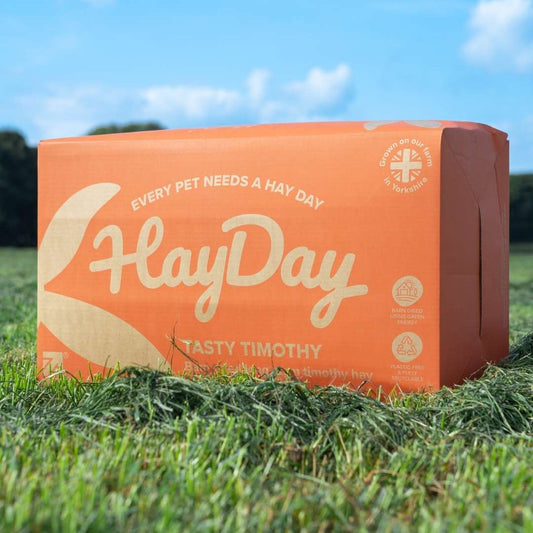
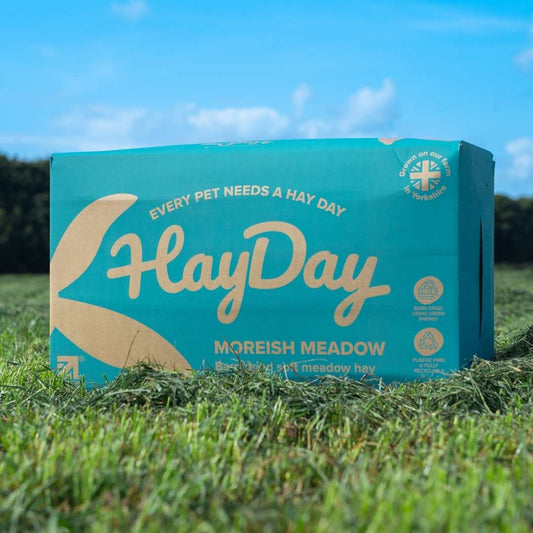
Here’s a breakdown on the different hay types we offer and their nutritional benefits:
-
Timothy hay is the everyday staple for adult guinea pigs. Think high fibre, moderate protein and naturally coarse stems which are brilliant for teeth and digestion
-
Meadow hay is a softer and more varied everyday feeding hay. It’s the go-to for guinea pigs who aren't enthusiastic grazers and those who require a suitable bedding hay too!
-
Oat hay is crunchy and nutritious with great fibre content. This complementary feeding hay works well mixed with timothy or meadow hay to add variety
-
Ryegrass hay is extremely palatable, making it a popular option for guinea pigs.
-
Alfalfa hay is higher in protein and calcium to support health and development in guinea pigs up to 6 months old. It’s also suitable for pregnant or nursing piggies, and those recovering from illness.
Forage (grass and/or hay) should represent the majority of the diet (80-95%) in order to maintain healthy digestive and dental function.
What Vegetables Can Guinea Pigs Eat Every Day?
Pineapple should be fed once a week at most. For daily fresh vegetables, these are far better choices:
-
Red or green bell pepper - one of the best vitamin C sources available which is safe to feed every day and most guinea pigs love it.
-
Romaine lettuce - hydrating, gentle and very well tolerated daily.
-
Cucumber - high in water content and low in nutrients. An overall good addition in small amounts.
-
Rocket - peppery, low in sugar and a great daily leafy green.
-
Coriander - a herb most guinea pigs enjoy and (as a bonus!) is easy to grow at home.
-
Dandelion leaves - an excellent source of vitamin C and most guinea pigs absolutely love them!
Other Fruits Guinea Pigs Can Eat
Alongside pineapple, there are also other suitable fruit options to feed your guinea pig. Fruit should always be offered in small, moderate portions - as a treat, as they are naturally higher in sugars.
-
Strawberries - offer 1 small berry twice a week as a good vitamin C source.
-
Watermelon - a small cube once a week. The white rind is a lower-sugar option!
-
Blueberries - offer 2-3 berries twice a week.
-
Apple - 1-2 small slices twice a week. Always remove seeds and core.
-
Mango - a small piece once a week. Feed the flesh only and remove the skin and stone.
-
Kiwi - a small peeled slice once a week. Kiwi is a good vitamin C source but is acidic, so keep it small.
Grapes and raisins are not toxic, but are very high in sugar and are best avoided. Never feed avocado as these are all toxic to guinea pigs.
Avoid offering multiple fruits on the same day to keep overall sugar intake low.
Foods That Should Never Be Fed to Guinea Pigs
-
Onions, garlic, leeks, chives - toxic
-
Rhubarb - toxic in any amount
-
Avocado - highly toxic
-
Chocolate - toxic
-
Potatoes and potato tops - toxic
-
Iceberg lettuce - low nutrition, can cause digestive upset
-
Processed food - bread, crackers, cereal, biscuits
-
Dairy and meat - guinea pigs are strict herbivores
-
Nuts - too high in fat
Get Premium Guinea Pig Hay Delivered to Your Door
Pineapple is a once a week treat. Good quality hay is the most important component in your guinea pigs diet. At HayDay, we've made it easier than ever to get premium, highly nutritious hay delivered directly to your door, wherever you are in the UK.
Our full range which includes timothy hay, meadow hay, oat hay, ryegrass hay and alfalfa hay - is grown and packed directly from our Yorkshire farm and delivered directly to your door.
Our hay subscription service is the simplest way to make sure your guinea pigs hay rack (or toys!) are never empty. Simply select your hay, set your schedule, and we deliver automatically. Hay subscribers get a better price than one-off orders too and have the flexibility to amend or cancel your hay subscription – with no cancellation fee!
Relevant Links
Frequently Asked Questions
How much hay should an adult guinea pig eat daily?
An adult guinea pig should have unrestricted, unlimited access to hay 24 hours a day, as it is the most inmportant part of their diet, providing the fibre necessary for constant digestion and teeth grinding.
Does feeding fibrous fruit help grind down teeth?
No, the essential and constant grinding of a guinea pig's continuously growing teeth is achieved almost entirely by chewing long-strand feeding hay, not from fruit or vegetables.
Is it safe to feed fruit as part of a guinea pig's foraging or enrichment activities?
Yes, offering small pieces of safe fruit, such as pineapple, hidden within hay or foraging toys is an excellent way to provide mental enrichment and encourage natural exploratory behaviours.