
Can guinea pigs eat apples? Yes, they can, but only as an occasional treat and with the right preparation.
This guide explains how apples can fit into a guinea pig’s diet, what nutritional benefits they may offer, which parts are safe to feed, and the key feeding tips to keep in mind.
Shop consistently for premium, quality hay for guinea pigs here.
Can Guinea Pigs Have Apples?
Apples can be a healthy occasional treat for guinea pigs, providing useful nutrients such as vitamin C and fibre. Recommended amounts are around 10–50 mg of vitamin C per day (NRC, 1995), and no more than 25g — roughly a quarter of a diced apple — once or twice a week.
Always remove the seeds before feeding, as they can be toxic, and wash the skin thoroughly to remove any pesticide residue. It’s also best to offer safe varieties such as green or red apples, while avoiding cooking apples because of their higher acidity.
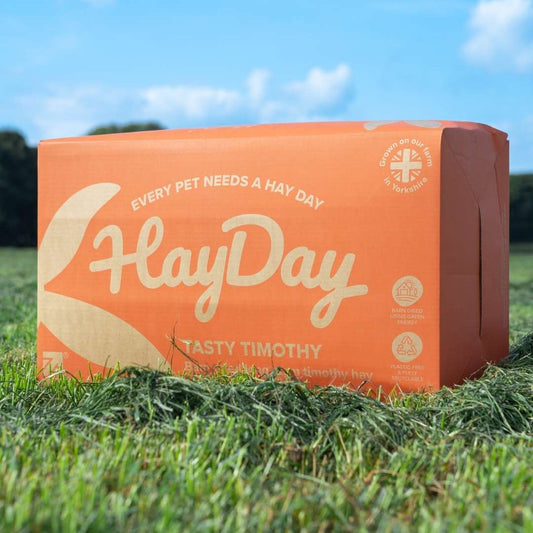
Guinea pigs should eat apples alongside their staple diet of hay, such as Timothy hay or Meadow Hay, plus a measured amount of pellets and fresh vegetables. Any new foods should be introduced gradually over 7 to 14 days to help prevent digestive upset.
How Much Apple can I Give My Guinea Pig?
Our in-house nutritionist Briony says,
"Apples are great as a treat for guinea pigs, but you should keep the portion size small. Give around 25g of apple, or roughly one quarter with the pips removed"
Apples are a safe and healthy snack for your guinea pig, but that doesn’t mean they should indulge in them frequently. Like all fruits, apples need to be given in moderation.
Consider this analogy: Just as you wouldn’t consume an entire chocolate cake at once (even if the temptation is there), portion control is similarly important in small pets when feeding your guinea pig apple.
Any uneaten portions of their apple treat should be removed after several hours to prevent potential health concerns from spoiled or mouldy fruit leftovers.
Apples for Guinea Pigs and Nutritional Values
The question is, are apples simply a treat or do they offer health benefits to our guinea pigs?
Just as we know piggies relish eating apples, these fruits come chock-full of essential vitamins and dietary fibre that can be quite the wellness treat for your pet.
Do apples Give Guinea Pigs Vitamin C?
Vitamin C acts as a vital health defender for your guinea pig, protecting it from sickness and aiding its growth. Similar to humans, guinea pigs rely on their diet to acquire sufficient levels of Vitamin C as they can't produce it themselves. Some great sources of this indispensable nutrient include:
Make sure to include a handful of green leafy vegetables in your guinea pig’s everyday diet too, to ensure they get enough Vitamin C.
Fibre
Turning our attention to dietary fibre, it’s worth noting that while Vitamin C is very important, fibre is also vital in your guinea pig’s digestive system.
The flesh and peel of an apple are both rich in fibre, but this shouldn't be relied upon as the fibre source for your guinea pig.
You should incorporate a range of other foods high in fibre into their staple diet (i.e. fibre-rich hay and pellets), which will help maintain great dental, digestive and gut health for your guinea pig.
Providing your small pet with Timothy or Meadow Hay is a great high fibre option - Shop our Guinea pig hay here >
B-Complex Vitamins
B-complex vitamins are essential for transforming food into energy and preserving the health of guinea pigs' skin, eyes, and nervous system. Unsurprisingly, apples are high in these vital nutrients!
Feeding Apples to Guinea Pigs: Safety Precautions
Providing your guinea pig with fresh fruit, such as an apple, requires some preparation rather than just throwing an entire apple to them.
On the other hand, while dried apple pieces could appear to offer novelty value as treats, they pose risks of choking and contain elevated levels of sugar. Always best to stick with fresh!
Can Guinea Pigs eat Apple Seeds?
Apple seeds can cause serious problems, so guinea pigs should never be allowed to eat them. They contain a compound that can turn into cyanide during digestion, making them toxic for your guinea pig (Allen et al., 2015). Apple seeds may also pose a choking hazard.
Don’t panic if your guinea pig has accidentally eaten a tiny seed or two, as it may not cause immediate harm, but it’s not worth the risk. To keep the snack safe as well as tasty, always prepare apples carefully before feeding them.
Can Guinea Pigs Eat Apple Skin?
The skin of an apple is safe for guinea pigs to eat and can provide beneficial compounds such as quercetin, which has been linked to brain health benefits (Boyer and Lui, 2004).
However, because apple skin may contain pesticide residue, it’s always best to wash apples thoroughly before offering them to your guinea pig.
Which types of apples are safe for guinea pigs?
Green apples and red apples are generally safe for guinea pigs when fed in moderation as part of a balanced diet. Popular varieties such as Granny Smith and Red Delicious are usually suitable, and tart apples can also be given occasionally. However, cooking apples should be avoided because their higher acidity may cause digestive upset.
Are all apple varieties safe for guinea pigs?
No, not all apple varieties are equally suitable. While green and red apples are usually fine in small amounts, some types are better avoided if they are too acidic or not fresh enough for safe feeding.
Can guinea pigs eat green apples?
Yes, guinea pigs can eat green apples in moderation. They are a safe option when prepared properly and served as an occasional treat alongside hay, pellets, and fresh vegetables.
Can guinea pigs eat red apples?
Yes, red apples are also safe for guinea pigs in moderation. Varieties like Red Delicious can be offered as an occasional snack, provided the seeds are removed and the apple is washed thoroughly.
Should guinea pigs eat cooking apples?
No, cooking apples are best avoided for guinea pigs because of their higher acidity. Softer, sweeter apple varieties are a safer choice for occasional feeding.
Additional Treats for Guinea Pigs
Your guinea pig can be offered a range of different fruits beyond just apples, including banana, grapes, and berries.
Yet caution is necessary since not all foods are guinea pig safe, make sure you are confident with what you are feeding your guinea pig before doing so. Check with a vet or nutritionist if you are not sure.
It’s important to keep their diet diverse for optimal wellbeing, but introduce new edibles slowly, monitoring closely for any adverse reactions that may indicate discomfort or sickness. We would always recommend, that if you're unsure, you should consult a vet.
Caring for Your Guinea Pig's Overall Diet
Although treats such as apples can add diversity and enjoyment to your guinea pig’s diet, they should constitute only a minor part of their overall nutrition and should mainly be enjoyed as enrichment and to encourage foraging rather than for as part of their primary diet.
The mainstay of your guinea pig’s diet should be an unlimited supply of high quality hay, such as our Timothy hay alongside a small amount of pellets (high in vitamin C) and a handful of fresh vegetables.
This balanced guinea pig’s diet will ensure your guinea pig gets all the nutrients they need to stay healthy and happy. Remember, a well-fed guinea pig is a content guinea pig.
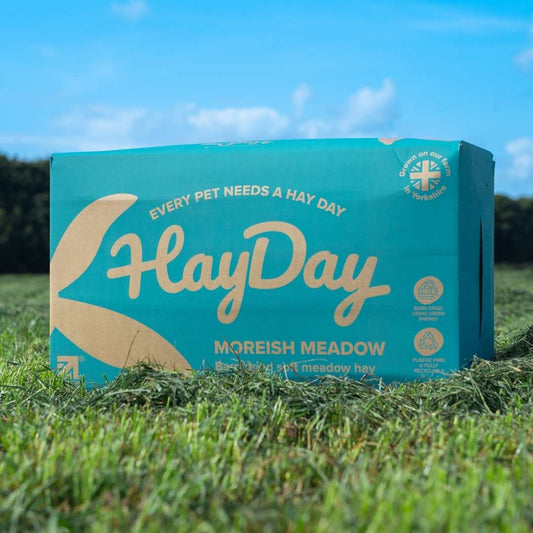
Do you use Meadow Hay for bedding? > Click here for soft Moreish Meadow Hay for your guinea pig.

Summary
In summary, guinea pigs can find apples to be a delicious and wholesome snack if provided in moderation (about 25g once or twice a week). If you own a guinea pig, it’s important to eliminate the seeds from the apple, cleanse its skin properly, and monitor the serving sizes carefully. Avoid feeding cooking apples.
For a healthy and balanced guinea pig diet, guinea pigs must be offered an unlimited amount of hay, at free choice > Try our premium, barn dried hay boxes now.
Other Things To Consider Before Feeding Your Guinea Pig Apples
Sugar Comparison - Apples vs Hay
| 25g Hay | 25g Apples | |
| Sugar Content | 3.75g | 5g |
25g of a typical hay would provide 3.75g of sugar compared to 25g of apple which would provide around 5g. While the sugar level does not seem too dissimilar, consider the amount of time (and chewing) that 25g of hay would facilitate vs a quarter of an apple (25g).
Other Fruits to Feed
In general, fruits tend to be higher in sugar than vegetables. Good lower sugar vegetable options include:
-
Peppers
-
Rocket
-
Spinach
-
Water cress.
How to Feed Apple to Encourage Foraging
If it is hard to encourage your small pet to eat hay, you may consider occasionally offering treats (such as fruit) alongside their hay to encourage them to forage more.
Our nutritionist Briony recommends scatter feeding or mixing treats, pellets or veggies in with their regular hay.
Read more of Briony's foraging top tips for your small pets.
Frequently Asked Questions
What fruits are bad for guinea pigs?
Guinea pigs should not consume avocados due to the presence of persin, a toxic substance that poses health risks for them (Talcott and Peterson, 2012).
It is vital to refrain from giving your guinea pigs any avocado.
What else can guinea pigs not eat?
Guinea pigs should not eat cereals, grains, nuts, seeds, dried beans, and various plants like buttercups, lilies, and nightshade (Talcott and Peterson, 2012; Kohles, 2016).
It’s important to avoid feeding them these foods to keep them healthy and safe.
References
Allen, A.R, Booker, L., and Rockwood, G.A. (2015) Acute cyanide toxicity, in Hall et al. Toxicology of Cyanides and Cyanogens: Experimental, Applied and Clinical Aspects. John Wiley and Sons: pp.1-20.
Boyer, J and Lui, R.H. (2004) Apple phytochemicals and their health benefits. Nutrition Journal, 12: 3-5.
Harvard T.H Chan School of Public Health. Apples | The Nutrition Source. [Online] Available from: Apples | The Nutrition Source
Kohles, M. (2014) Gastrointestinal Anatomy and Physiology of Select Exotic Companion Mammals. Veterinary clinics of North America: Exotic Animal Practice, 17 (2): 165-178
Mitchell , S. (2023) Can Guinea Pigs Eat Apples. [Online]
NRC (1995) Nutrient Requirements of Laboratory Animals. National Academies Press: Washington, DC.
Talcott, P.A. and Peterson, M.E. (2012) Small Animal Toxicology. Elsevier Health Sciences: London
USDA (2024) FoodData Central. [Online]
VSA (No Date). Feeding Guinea Pigs. [Online]