
Here's the rewritten guide with FAQ-style headings, front-loaded answers, and stronger keyword placement (guinea pig enrichment, guinea pig toys, guinea pig hay).
Why is enrichment so important for guinea pigs? Enrichment is essential for their happiness and overall wellbeing, giving them the mental and physical stimulation they need through foraging, social interaction, and physical challenges. This guide walks through why enrichment matters, fun ideas your guinea pigs will love, and common mistakes to avoid along the way.
Shop now > High quality hay for guinea pigs.
Key Takeaways
-
Guinea pigs are social animals that thrive in groups, so understanding their behaviour and social dynamics is key to their wellbeing.
-
Environmental enrichment, including foraging, physical activity, and scatter feeding, is essential for preventing boredom and supporting mental and physical health.
-
DIY, homemade enrichment toys are an inexpensive way to boost engagement and keep guinea pigs entertained.
Why Do Guinea Pigs Need Enrichment?
Guinea pigs need regular mental and physical stimulation to stay happy, healthy, and entertained. Enrichment can take many forms, from companionship to homemade boredom breakers, and the main types include:
-
Scatter feeding for forage enrichment
-
Movement and mental stimulation, including hiding spots and tunnels
-
Companionship with other guinea pigs
-
Homemade enrichment toys
Foraging, the act of searching for food, is something wild guinea pigs do at least once a day, and that instinct doesn't disappear once they become pets. Recreating this behaviour at home is one of the most important things owners can do for their guinea pig's wellbeing.
What Are the Best Enrichment Ideas for Guinea Pigs?
The best guinea pig enrichment combines foraging, movement, companionship, and DIY toys, all of which help prevent boredom and keep them active. Boredom can affect mood just as much as it affects physical health, so giving guinea pigs things to do, like searching for food, climbing, and exploring different hay types, makes a real difference.
Think of it as a workout for their brain and body, encouraging movement that helps prevent obesity while keeping them mentally sharp. Hiding treats in their hay or building simple tunnels and platforms to climb keeps them busy and excited throughout the day.
Scatter Feeding
Scatter feeding turns mealtime into an adventure by hiding food throughout their space, tapping into a natural foraging behaviour guinea pigs would exhibit in the wild. Scattering pellets, treats, or veggies through their hay encourages both hay intake and movement, helping prevent obesity while keeping them chewing and thinking at the same time.
Great options for indoor scatter feeding include:
-
Empty toilet rolls
-
Snuffle mats
-
Tunnels
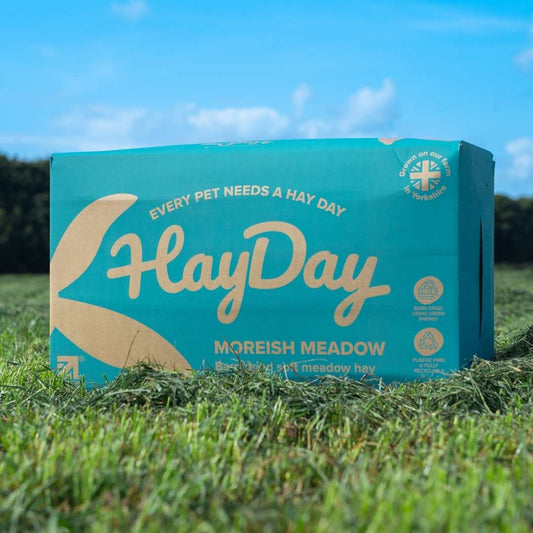
Our nutritionist Briony also recommends offering a buffet of forage choices, mixing different hay types such as Timothy and Meadow Hay. Introduce new hay types gradually and consistently as part of the daily routine to avoid upsetting their gut with sudden dietary changes. Ryegrass and oat hay are also popular choices worth rotating in.
Movement and Mental Stimulation
Guinea pigs love to run around and popcorn, so encouraging movement and mental stimulation is essential to their wellbeing. Our nutritionist Briony explains: "Present hay in various feeders including hay balls, hay tunnels, paper bags/cardboard filled with hay and in various locations around their living environment. This will encourage natural foraging behaviours and can be ideal to promote activity for those that may benefit from increased exercise."
Activities like these get their legs moving and satisfy their natural curiosity. Adding toys and boredom breakers that make them "work" for their food turns feeding time into a game they genuinely enjoy.
Safe Outdoor Time
According to The Guinea Pig Forum, outdoor playtime is a great form of enrichment for guinea pigs kept mainly indoors. Any outdoor run or space needs to be fully protected against predators, and guinea pigs should only free-roam outside in a garden that's completely fenced with no gaps, and always under full supervision.
Companionship
Companionship is one of the most important forms of enrichment, since guinea pigs don't do well alone. In a group, they're noticeably happier, and you'll often see certain individuals take on a "leader" role within the group.
Wild guinea pigs originally lived in small family packs in the South American mountains, and even as domesticated pets, they retain many of the same instincts, hiding, exploring, and constantly searching for food. Giving them hiding spots and space to explore taps directly into this natural behaviour and helps them feel secure.
Homemade Enrichment Toys
Homemade enrichment toys work just as well as anything bought commercially, and they make guinea pigs work for their daily food, whether that's hay, pellets, or leafy greens. Cardboard boxes with holes cut into them and stuffed with hay or treats are an instant hit, and empty toilet paper rolls filled with hay encourage proper chewing while keeping them entertained for hours.
Good materials for homemade enrichment include:
-
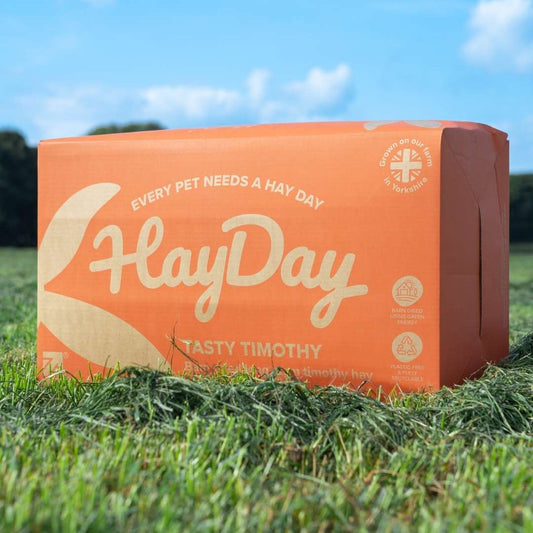
Cardboard: empty HayDay boxes, Amazon boxes, or egg trays
-
High-quality hay: Timothy, Meadow, Ryegrass, or Oat Hay
-
Wild plants, twigs, and branches: guinea pig-safe options include apple twigs, basil, chamomile, and willow
These ideas are cheap, quick to put together, and make great use of things you already have at home. Swap and rotate toys regularly so your guinea pigs don't lose interest.
What Are Common Guinea Pig Enrichment Mistakes to Avoid?
The biggest mistakes are overdoing new enrichment too quickly and using the wrong hay type or unsafe foraged plants. As with diet, moderation matters, introduce new enrichment items gradually, since too many changes at once can overwhelm guinea pigs rather than excite them.
Using the wrong hay type: Guinea pigs love burrowing into a big pile of hay, which is a great form of enrichment in itself since it keeps them continually eating. However, they're prone to eye injuries like hay poke, so opt for softer hay types such as Meadow Hay for enrichment purposes.
Foraging unsafe plants: Always check that any foraged plants, whether from the wild or your own garden, are guinea pig-safe before feeding. A few tips for safe foraging:
-
Use a plant ID app such as PictureThis to avoid picking anything dangerous
-
Only forage from gardens and spaces you know are chemical-free
Avoiding these common mistakes helps keep your guinea pig's enrichment routine safe, balanced, and varied.
Providing a well-rounded enrichment routine is one of the most impactful things you can do for your guinea pig's physical and mental health. Understanding their natural behaviours and social needs makes it much easier to build an environment where they can stay active, engaged, and genuinely happy, strengthening the bond between you along the way.
Relevant Links
Best Foods for Guinea Pigs - HayDay HQ
Enrichment Ideas for Guinea Pigs - The Guinea Pig Forum
Feeding your Guinea Pigs - Woodgreen Pet Charity
How To Encourage Your Pets to Forage - HayDay HQ
Small Pet Foraging - HayDay HQ
Frequently Asked Questions
Why is enrichment important for guinea pigs?
Enrichment is essential for guinea pigs because it encourages mental and physical stimulation, which helps prevent boredom and reduces stress, ultimately contributing to their overall well-being and happiness.
What are some simple DIY enrichment ideas for guinea pigs?
Consider using cardboard boxes with holes for climbing and exploring, stuffing toilet paper rolls with hay or treats for added fun, and creating hiding spots with tunnels. These simple ideas can significantly enhance your guinea pig's environment and promote their well-being.