
Here's the rewritten guide with FAQ-style headings and front-loaded answers, keeping all your product links and expert quotes intact.
What do you feed baby rabbits? Newborn kits rely entirely on their mother's milk, gradually transitioning to hay, pellets, and vegetables over their first few months of life. This care guide from HayDay covers exactly what to feed baby rabbits at every stage, how to spot signs of health problems, and which hay works best as they grow.
What Do Newborn Baby Rabbits Eat?
Newborn kits need their mother's milk for the first two weeks, as it's packed with the nutrients their bodies and immune systems need to develop. If the mother can't feed them, use a kitten milk replacer, never cow's milk, offering 2-5ml split across two or three feeds a day with a small syringe or pet nurser bottle.
Keep kits warm at around 23-26°C during feeding to mimic the cosiness of their mother's nest, handling them gently and keeping bedding clean and dry to prevent infection. Weigh them daily; they should gain roughly 5-10 grams each day. Contact an exotic vet immediately if they're not gaining weight, seem unusually sleepy, or have a bloated belly, as newborn kits are extremely delicate.
Most baby rabbits need to be around 8 weeks old before they're ready to go home as a pet.
When Do Baby Rabbits Start Eating Solid Food?
Kits begin nibbling solid food around 2-3 weeks old, alongside their mother's cecotropes, which help build healthy gut bacteria. This is the right time to introduce small amounts of solid food while they're still nursing.
Offer small amounts of alfalfa hay, a legume hay higher in calcium and protein that supports healthy growth in young kits, along with fresh water in a shallow dish. Keep their living area clean to prevent illness, and let them explore gently to build strength while avoiding loud noises that could startle them.
Watch for runny or soft droppings, which can signal too much milk or the wrong food. Kits should be active and curious; if they seem weak or aren't eating, see a vet. HayDay's Coarse & Crunchy Alfalfa Hay is a great choice for this growth stage.
How Should You Feed Rabbits Between 4 and 8 Weeks?
By 4 weeks, kits are drinking less milk and eating more solids, a stage that's crucial for building strong digestion and healthy teeth. Offer unlimited alfalfa hay alongside a limited amount of pellets, around an egg cup's worth (25-30g per 450g of bodyweight), keeping the emphasis firmly on hay intake.
Our nutritionist Briony recommends holding off on vegetables until around 12 weeks, since the risk of digestive upset or bloat remains high before this point. Chewing hay keeps their teeth healthy, which matters because rabbit teeth never stop growing. Give them a safe space to hop and play, and check teeth regularly for signs of overgrowth, uneven length, or drooling, all of which can point to dental problems.
How Do You Transition Rabbits to an Adult Diet (12-18 Weeks)?
Between 8-12 weeks, kits become juvenile rabbits and need a gradual shift from alfalfa hay to premium timothy hay, ideally spread over 3 to 6 months to support healthy digestion as they grow. Reduce alfalfa hay by 25% at this stage, then a further 25% each month, reaching full timothy hay by around 6 months.
Smaller breeds may mature faster, allowing a quicker transition, while larger breeds often do better with a slower changeover. Introduce greens like cilantro or kale slowly, one type at a time, to watch for any tummy upset, and give them plenty of space to run and play.
Watch for warning signs such as reduced appetite, weight loss, or inconsistent droppings (too small, hard, or watery), which can indicate digestive issues or stress.
What Should Adult Rabbits Eat (6 Months and Up)?
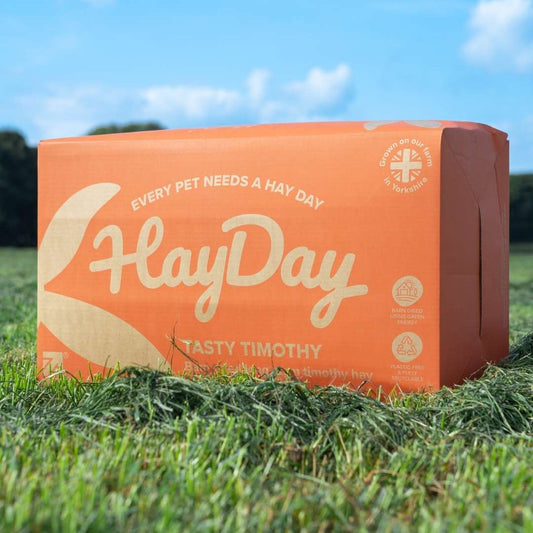
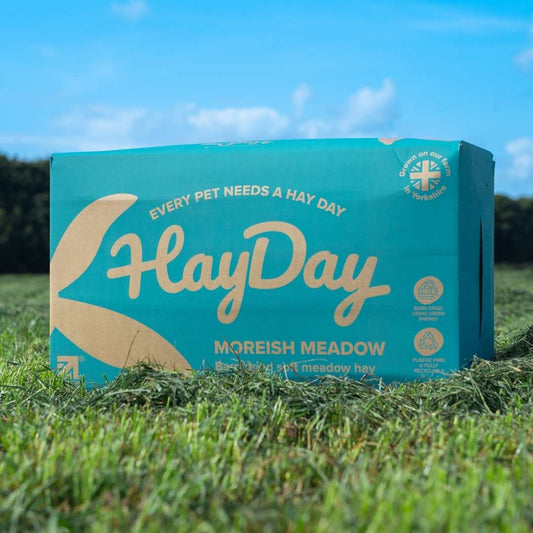
By 6 months, rabbits are fully grown, and their diet should shift toward maintenance rather than growth. Unlimited hay, such as timothy and meadow hay, should make up 80-90% of their diet, alongside:
-
High-quality hay: timothy, meadow, ryegrass, or oat hay
-
Rabbit-safe pellets
-
Leafy greens and vegetables
-
Fresh water
Limit sugary foods like carrots and fruit, as overfeeding these can lead to illness or obesity. Keep their living space clean, provide plenty of playtime, and watch for signs of obesity (an inability to feel their spine) or sudden weight loss. Check their bottom for dirty fur, which can indicate digestive or hygiene issues, and schedule regular vet check-ups.
Which Fruits and Vegetables Are Safe From 12 Weeks?
Safe vegetables (12 weeks+): leafy greens are ideal for young rabbits once digestion is established. Safe options include carrot tops, dandelion leaves, kale, spinach, spring greens, herbs like parsley, basil, and cilantro, watercress, and broccoli greens. Introduce one new green at a time to monitor for digestive upset.
Safe fruits (12 weeks+): fruit should be fed sparingly, no more than once a week, due to its high sugar content, and only once digestion is stable on hay and a small variety of greens. Safe options include seedless apple, banana, strawberries, blackberries, raspberries, cranberries, seedless cherries, melon (no rind or seeds), grapes, and nectarine (pit removed).
How Can You Support Dental Health and Prevent Boredom?
Feeding the right foods supports more than just digestion, it plays a direct role in dental health too. Rabbit teeth are hypsodont, meaning they erupt continuously throughout life, so regular chewing on hay and vegetables is essential for keeping them in good condition.
Enrichment toys like cardboard tunnels or hay-stuffed balls help prevent boredom, and hiding pellets or greens within hay turns feeding into an engaging game rabbits genuinely enjoy. Check teeth regularly for overgrowth or misalignment, and watch for behaviour changes like reduced appetite or lower activity levels, both of which can indicate stress or illness.
What Mistakes Should You Avoid When Feeding Baby Rabbits?
The biggest mistakes are overfeeding pellets, introducing new foods too quickly, and offering unsuitable foods. Overfeeding pellets can lead to weight gain and digestive problems, so always stick to recommended portions.
Introduce new foods gradually over 7 to 14 days to avoid diarrhoea or bloating, and steer clear of foods like iceberg lettuce, cabbage, or sugary treats, which can upset a young rabbit's stomach. If you notice signs of illness, such as reduced appetite, lethargy, or inconsistent droppings, seek veterinary advice right away.
Frequently Asked Questions
How often should I clean my baby rabbit’s cage?
Clean their cage or enclosure at least once a week, but spot-clean daily to remove soiled bedding or uneaten food. A clean space prevents infections and keeps kits healthy.
What if my baby rabbit won’t eat hay?
Some kits are picky at first. Try mixing different types of hay, like HayDay’s alfalfa and timothy for a diverse diet. If they still won’t eat, check with a vet to rule out health issues.
Can baby rabbits have treats?
Kits under 12 weeks shouldn’t have treats, as their tummies are too sensitive. Instead of starting with fruit, you should offer a small range of vegetables as these tend to be lower in sugar and less likely to cause any digestive upset.
After 12 weeks, offer small amounts of safe fruits (see list above) but only once or twice a week to avoid tummy upset.
How do I know if my bunny is stressed?
Stressed bunnies might hide, stop eating, or act aggressively. Loud noises and sudden movements can cause stress. Provide a quiet, safe space and lots of enrichment to keep them calm and happy.
Final Thoughts
Raising baby rabbits is a rewarding adventure, and at HayDay, we’re here to help you every step of the way.
By feeding them the right foods like milk for newborns, alfalfa hay for young kits, and timothy hay for adults, you’ll help them grow strong and healthy.
Always watch for signs of health problems and act quickly if something seems wrong. With HayDay’s high-quality hay and forage, your bunnies will hop into a happy, healthy life!
Relevant Links
Best Types of Hay for Rabbits - HayDay HQ
Enrichment Ideas for Rabbits - HayDay HQ