
Chinchillas should primarily eat unlimited high-fibre hay and specialist chinchilla pellets, with treats given only very occasionally.
In this article, the experts at HayDay explain how to feed your chinchilla safely, from the foundational role of chinchilla hay as the main source of fibre to identifying which treats are suitable for an occasional nibble. Read on to learn how to meet your pet’s nutritional needs while avoiding foods that could cause health problems.
What should a chinchilla’s diet consist of?
A chinchilla’s diet should be mostly high-fibre hay and specialist pellets, low in calcium, with treats given only very occasionally. Chinchillas have specialised dietary needs that require a high-fibre diet with essential nutrients. A proper balance of fibre, protein, fat, vitamins, and minerals is best for their digestion and dental health (Donnelly and Brown, 2004).
A chinchilla’s diet should be low in calcium, based on hay, plus chinchilla pellets. Treats such as dried fruits, grains, and fresh herbs should be given sparingly to avoid health issues.
Daily feeding routines should align with their natural foraging and eating habits, and a constant supply of fresh, clean water is essential for their overall health.
Click here > Shop premium, barn-dried hay for your chinchillas.
How much hay should chinchillas eat, and why is it so important?
Chinchillas should have unlimited, free-choice hay available 24 hours a day. Hay is the most critical part of their diet and should never be run low or skipped.
How much hay?
-
Amount: Unlimited. Your chinchilla should always have fresh hay available.
-
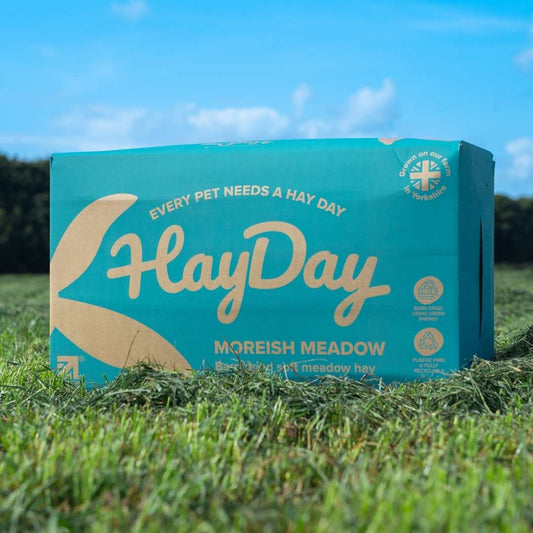
Type: High-fibre, low-calcium hay such as timothy hay or meadow hay.
-
Freshness: Replace old hay daily or whenever it becomes dusty, damp, or soiled to prevent bacterial growth.
Why is hay so important for chinchillas?
-
Digestive health - Hay provides the high fibre Chinchillas need to keep their digestive system working properly. Fibre helps move food through the gut and prevents serious issues like bloating and constipation.
-
Dental health - Chinchillas’ teeth grow continuously throughout their life. Chewing on fibrous hay naturally wears down their teeth, helping to prevent dental disease, overgrowth, and painful mouth problems.
-
Natural feeding behaviour - In the wild, chinchillas spend most of their day grazing on fibrous grasses. Offering unlimited hay mimics this natural behaviour, keeping them active, occupied, and mentally satisfied.
-
Low in calories, high in satisfaction - Hay is low in energy but high in bulk, which helps prevent obesity while still making your chinchilla feel full and content.
-
Foundation of the diet - Hay should make up the majority of a chinchilla’s diet, with pellets and treats as smaller, supplementary parts. Without enough hay, even the best pellets and treats cannot support a healthy chinchilla.
In short: hay = the backbone of a chinchilla’s diet. If you want your chinchilla to stay healthy long-term, prioritise unlimited, high-quality hay above everything else.
What nutrients do chinchillas need?
Chinchillas need fibre, protein, fat, vitamins, and minerals from their diet to support digestion, dental health, and overall wellbeing. A chinchilla’s diet fundamentally determines its longevity and wellbeing. Like guinea pigs and other small pets, chinchillas have unique dietary requirements that must be met.
They need essential nutrients that support vital functions from digestion to dental health, making these nutrients non-negotiable in your pet chinchilla’s daily routine.
By comparing the diet of wild chinchillas, we can replicate a nutritious and natural diet for our pets at home. Wild chinchillas primarily graze on fibrous grasses and plants, a lifestyle that has shaped their digestive systems to be highly efficient at processing high-fibre content (Donnelly and Brown, 2004).
Therefore, a diet rich in fibre (hay), complemented by a reasonable amount of chinchilla pellets, ensures your fluffy companion receives a diet that mirrors their natural inclinations while meeting their nutritional needs (PDSA, 2024).
Why is fibre so important for chinchillas?
Fibre is the most important part of a chinchilla’s diet, supporting both digestion and dental health. Chinchillas’ ancestral home in the South American highlands is abundant with tough vegetation. Emulating this, fibrous leafy greens and a consistent supply of high-quality hay are the bedrock of a domesticated chinchilla’s diet (Donnelly and Brown, 2004; PDSA, 2024).
The fibre from these sources not only aids in proper digestive function but also plays a critical role in dental health. As chinchillas chew on fibrous foods, they engage in a natural behaviour essential for wearing down their continuously growing teeth, helping to prevent severe dental disease.
Fibre can be broadly divided into two categories: digestible and indigestible. Digestible fibre is digested in the chinchilla’s caecum (a blind-ended sac in the digestive tract housing microbes that ferment fibre) (Grant, 2014). Indigestible fibre is key for moderating transit rate through the gut and promoting dental health.
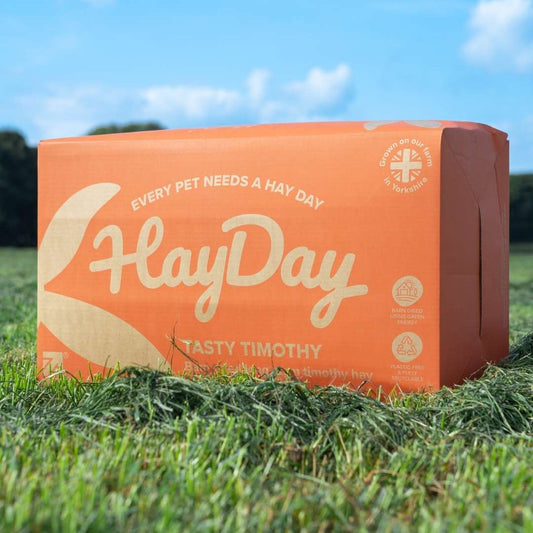
Offering a constant supply of Timothy Hay ensures that your chinchilla’s digestive system remains in great health.
What vitamins and minerals do chinchillas need?
Chinchillas need vitamins and minerals from their diet, especially from nutrient-dense pellets, but excess calcium must be avoided. Vitamins and minerals are essential for a chinchilla’s metabolic reactions, supporting a lively and healthy animal. Commercially available chinchilla pellets are often specifically formulated to be nutrient-dense, providing a convenient source of essential nutrients.
However, balance is key, as an excess of certain minerals, such as calcium, can lead to serious health complications.
How much water do chinchillas need?
Chinchillas need a constant supply of fresh, clean water every day. Like all living beings, chinchillas rely on water. A constant and clean supply of fresh water is the lifeline that sustains a chinchilla’s health and vitality (Grant, 2014).
To maintain this essential aspect of chinchilla care, water containers need daily attention. Cleaning your chinchilla’s water bowl frequently reduces the risk of contamination.
What treats can chinchillas have?
Chinchillas can have very occasional treats, but treats should not be part of their daily diet. Treats can add excitement to a chinchilla’s diet, but they should not form part of their daily diet. Occasional treats, such as fruit or fresh greens, should be fed sparingly to avoid disrupting their staple dietary needs and to prevent potential health issues (Grant, 2014; Donnelly and Brown, 2004).
Including untreated softwoods like apple or hazelnut twigs in their habitat provides extra chewing pleasure to support dental health and encourages natural foraging behaviours (Grant, 2014).
Can chinchillas eat dried fruit?
Chinchillas can have dried fruit only in tiny amounts, as rare treats. Dried fruits are like nature’s treats, and like all treats, they should be consumed in moderation by chinchillas. The high sugar content in fruits can cause health problems if offered in excess.
While your chinchilla might eagerly eat a raisin or sultana, these should be considered rare luxuries to avoid potential dental disease and other sugar-related ailments such as diabetes (Donnelly and Brown, 2004).
Chinchillas can also have 1 teaspoon of mixed greens as part of their diet. Dried fruits and seeds (e.g. sunflower seeds) are more typically thought of as treats for chinchillas, and they may prefer dried treats rather than too much fresh matter.
Can chinchillas eat herbs?
Safe herbs like chamomile, lavender, and dandelion can be offered occasionally in small amounts. Herbal treats can add variety to a chinchilla’s diet without causing upheaval. A sprinkle of safe herbs, such as chamomile, lavender, or dandelion, can be a welcome addition to their food bowl.
These fresh herb mixes not only provide new tastes and textures but also supplement the chinchilla’s diet with beneficial nutrients. For those new to herbs for chinchillas, starting with familiar plants like dandelion and nettles is advisable (PDSA, 2024).
Even natural foods should be offered in moderation, as excessive amounts can disrupt the delicate balance of a chinchilla’s diet.
Can chinchillas eat grains?
Chinchillas can have small amounts of grains like wheat biscuits or rolled oats, but only very occasionally. Grains provide a crunchy contrast to the usual softness of chinchilla pellets and hay, making them an exciting addition to chinchilla food. A small piece of wheat biscuit or a few traditional rolled oats can be a safe grain treat when given sparingly (PDSA, 2024).
This can add an enjoyable texture to mealtime, but like any other treat, they must be given with restraint to prevent digestive issues. Offering rolled oats, a standard item in our cereal cupboards, can be a nutritious addition to your chinchilla’s menu, provided it remains a rare event rather than a regular occurrence (PDSA, 2024).
What does a daily chinchilla feeding routine look like?
A healthy daily chinchilla diet is: unlimited hay, 1–2 tablespoons of pellets, and very occasional treats. Designing the optimal diet for a chinchilla goes beyond food selection – it requires a feeding routine that aligns with their natural lifestyle.
Key components of a healthy chinchilla diet:
-
Fresh hay such as timothy hay or meadow hay should be available at all times. Replace old hay frequently to prevent bacterial growth, which could compromise your chinchilla’s health.
-
Chinchilla pellets should be included daily. Measure the amount (1–2 tablespoons) to avoid overfeeding.
-
Structure meal times around a chinchilla’s crepuscular nature, feeding them during the early morning and late evening when they are most active. This aligns with their innate eating habits.
Following natural rhythms not only supports their health but also fosters a sense of wellbeing and contentment.
How much should I feed my chinchilla?
An adult chinchilla typically needs about 1 heaping tablespoon (20 g) of pellets per day, plus unlimited hay and tiny amounts of treats. Portion control is key to preventing chinchilla obesity and ensuring they receive the right amount of nutrition.
A heaping tablespoon of pellets per day (~20 g) is usually sufficient for an adult chinchilla, but this may vary based on individual needs, especially during pregnancy or for underweight individuals, as well as the format (nuggets/pellets) and brand of food.
Carefully measured rations help maintain a balanced diet and avoid selective feeding, which can occur when chinchillas are presented with an assortment of foods and pick only their favourites.
A simple graphic for “what to feed a chinchilla” could show:
-
Chinchilla pellets: 1–2 tablespoons (20 g/day)
-
Mixed greens: 1–2 teaspoons (5–10 g/day)
-
Hay: unlimited, free choice (timothy or meadow hay)
This can be used on your website and on social media.
Can chinchillas eat vegetables?
Chinchillas should mostly avoid moisture-rich vegetables like lettuce and cabbage, as these can cause bloat and gas. Coming from an arid environment, chinchillas’ digestive systems are not well-suited to process moisture-rich foods. Vegetables like lettuce and cabbage, which may seem healthy, can cause significant digestive disturbances such as bloat and gas (UKPetFood, 2024; Grant, 2014).
Introducing any new fresh vegetables into their diet should be done cautiously over 7–14 days to allow their digestive systems to adjust and prevent upset.
What habitat set-up supports healthy eating in chinchillas?
A good chinchilla habitat keeps hay clean, pellets and treats in sturdy bowls, and water constantly fresh. For a chinchilla, an environment that encourages healthy eating is as crucial as the diet itself. A well-set habitat with low-hanging hay racks ensures that hay remains clean and appetising, inviting your chinchilla to eat the fibre they need without contamination risks.
Similarly, sturdy earthenware or stainless steel bowls for pellets and treats prevent tipping and spillage, making mealtime stress-free.
Water should flow freely and cleanly in your chinchilla’s home. Stable, glass gravity water bottles are recommended over water bowls to prevent contamination and ensure constant access to water.
How do I monitor my chinchilla’s health?
Watch your chinchilla’s eating, weight, and droppings closely, and see a vet quickly if anything changes. Maintaining your chinchilla’s health requires constant vigilance. Monitoring their eating habits and weight can serve as early indicators of potential health issues.
Any significant change may signal an underlying problem, requiring closer observation or a vet visit. Similarly, the state of their droppings can offer insights into digestive health – a decrease in number or a change in appearance should raise an immediate red flag (RSPA, 2024).
Chinchillas are adept at masking illness, so it’s crucial to watch for subtle shifts in behaviour, such as lethargy, fur loss, or signs of discomfort. These could indicate various ailments, from dental problems to digestive disturbances. If you notice anything amiss, seek veterinary care without delay.
What are the key points for a healthy chinchilla diet?
A healthy chinchilla diet is built on unlimited high-fibre hay, measured pellets, very occasional treats, fresh water, and a clean habitat. From the high-fibre foundations of their diet to the careful avoidance of high-fat and sugary treats, every aspect of your chinchilla’s nutrition supports their health and happiness.
A chinchilla’s wellbeing is built on proper nutrition, hydration, and environmental care. By following these guidelines, you’ll help foster a healthy chinchilla and cultivate an enduring, joyful companionship.
What foods are poisonous to chinchillas?
Poisonous foods for chinchillas include avocado, peas, and asparagus — avoid these completely. Chinchillas should not eat foods like avocado, peas, and asparagus, as they are poisonous to them. Be cautious and avoid feeding these foods to your chinchilla (UKPetFood, 2024).
Can chinchillas eat fruits and vegetables?
Yes, but only very occasionally and in tiny amounts: small pieces of high-fibre fruit like apple or low-calcium green vegetables. Chinchillas do not require treats, but occasional fresh, low-calcium green vegetables or a small piece of high-fibre fruit like an apple slice can be offered as treats.
Relevant Advice
Chinchilla Dust Bath - Why do they need them?
References
Donnelly, T.M. and Brown, C.J. (2004) Guinea pig and chinchilla care and husbandry. Vet Clin Exot Anim, 7:351-373
Grant, K. (2014) Rodent Nutritional Digestive comparisons of 4 common rodent species. Vet Clin Exot Anim, 17: 471-483
PDSA (2024) The bet diet for your chinchillas. [Online]
RSPCA (2024) What to feed chinchillas. [Online]
UK Pet Food (2024) Chinchilla Nutrition. [Online]