
Bringing rabbits into your life can be a wonderful experience - full of joy, cuddles, and surprising quirks.
But it’s important to remember that rabbits are not always the easiest or cheapest pets to care for, especially if you’re new to rabbits or considering one for the first time.
At HayDay, we’re passionate about helping owners provide the best possible care. We believe rabbits are truly special animals, but they’re not starter pets - far from it!
Rabbits require ongoing attention, a safe and comfortable environment, the right diet, regular veterinary visits, and companionship that lasts for many years - often 8 to 12 or more.
The truth is, caring for a rabbit involves both time and money. Over their lifetime, the total cost can range from around £8,700 up to more than £17,000, which averages to about £109 each month (1)(2).
This covers pretty much everything you need to consider before having rabbits as pets, from their housing and food requirements, insurance, grooming, and toys.
Cost of Starting Out When Buying a Rabbit
Starting out, there’s a fair amount of investment needed. Many new owners find themselves spending between £1,200 and £2,600 during the initial setup period.
Creating a spacious, secure enclosure that follows recommended guidelines (like those from the
Rabbit Welfare Association). This, therefore, can cost between £150 and £450, depending on what size, style or other additional extras you choose.
You’ll also need to take into account the smaller essential supplies - food and water bowls, litter trays, grooming tools, and be sure to include a carrier for vet trips, just in case!
How much do rabbit vaccines cost?
Rabbit vaccines cost between £50 and £130 which include vaccinations against common diseases like myxomatosis and rabbit haemorrhagic disease, neutering or spaying - crucial for their health and behaviour - and microchipping.
When that’s all added up, these health measures and vet trips tend to cost between £185 and £350.
Ongoing Rabbit Food Costs
If you are considering a rabbit, we must stress that they thrive with consistent love and care and the best rabbit hay possible, which generally costs between £60 and £120 each month.
How Much Does Rabbit Hay Cost?
Rabbit hay costs between £20 and £30 a month based on offering 4.5kg (10lbs) of hay for one rabbit.
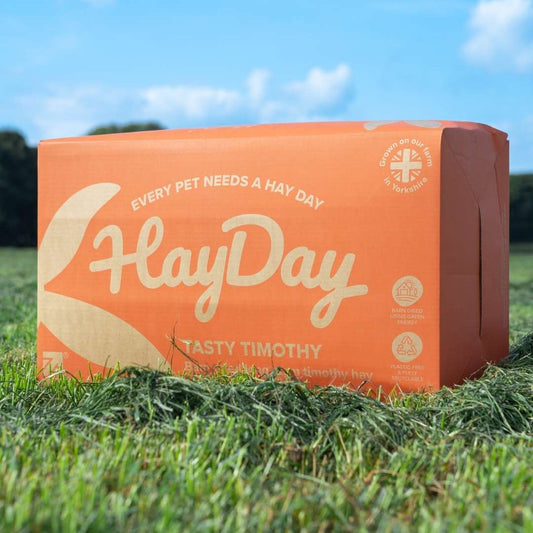
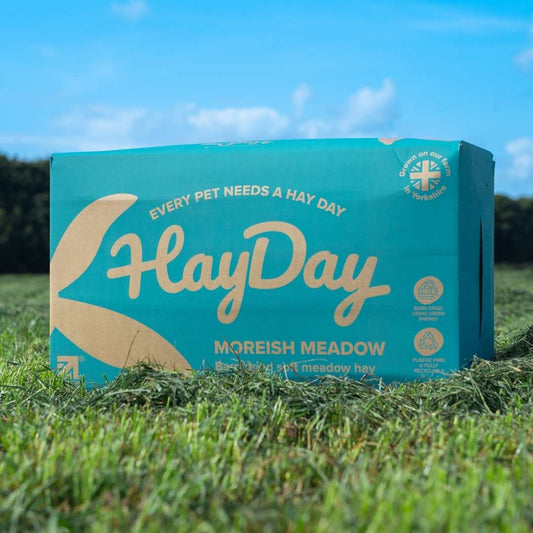
As everyday feeding hays, we would recommend our Tasty Timothy and Moreish Meadow which are both high in fibre to support digestion.
Great quality hay should make up 80 to 95% of a rabbit's diet, so by offering unlimited amounts of fresh hay, it supports digestion and helps prevent dental problems, which are some of the most common and costly issues rabbits face.
In addition to hay, fresh vegetables and rabbit-pellets can add £30 to £65 a month. However, these support a healthy rabbit diet, so it’s important to include these every day!
How Much Does Rabbit Bedding Cost?
Proper bedding and litter, which are vital for your rabbit’s comfort and hygiene and essentially overall health, cost roughly £15 to £25 monthly.
You can use straw or a soft meadow hay for bedding, however many owners prefer premium, paper-based bedding for safety and absorption. Never ever use sawdust for your rabbits' bedding as these can cause respiratory issues or eye problems.
How Much Does Rabbit Insurance Cost?
Rabbit insurance costs around £9 to £20 per month. A must-have is pet insurance if you care about your rabbit, and pocket is pet insurance, which can help cover unexpected vet bills.
Rabbit toys and enrichment items are absolutely worth considering, whether they’re shop bought or home-made enrichments; they will keep your bunny mentally stimulated and prevent boredom. Great examples of inexpensive enrichment toys include utilising spare egg boxes and empty toilet rolls.
Rabbit Care & Boarding Costs
How Much Does Rabbit Grooming Cost?
Rabbit grooming costs range between £6 and £60 depending on what your rabbit needs.
Rabbits need their nails trimmed by a professional roughly every 6-8 weeks, usually costing £6-£12 per visit. Over a year, that’s about £24-£48. Long-haired rabbit breeds like Angoras may also need full grooming sessions, which can cost £20 - £60. Avoid trimming nails yourself, as cutting too short can hurt your rabbit and cause bleeding. It’s always safer to let a professional handle it. (2)
Equipment Replacement
Every few years, you’ll need to replace things such as enrichment toys, their set up and grooming tools.
Most items will last 3 to 5 years (and sometimes longer!), but outside housing exposed to the weather may wear out sooner. Setting aside a small budget for replacement and repairs helps you stay prepared.
How Much Does Rabbit Boarding Cost?
If you weren’t aware, you can’t just leave your rabbit at home while you are away!
When you go on holiday, rabbit boarding usually costs £10-£15 per day (£50–£75 per week).
Planning ahead makes it easier to find a reliable place where your rabbit will be well cared for while you’re away.
How Much Does Emergency Vet Cost for a Rabbit?
Rabbits, like humans, can unexpectedly get unwell; therefore, you should always factor in regular veterinary visits for things such as boosters, health checks, and parasite prevention, which range from £65 to £190 annually.
It’s also essential to be aware of chronic conditions that many rabbits develop, like dental disease or gastrointestinal issues, which actually can all be avoided by feeding the best hay you can buy!
Prevention costs far less than the cure, as treatments for dental problems can cost from £150 to £500 per session, and gastrointestinal stasis, a serious and potentially life-threatening condition, can lead to bills over £1,700 due to hospital stays and medication.
Emergency vet visits can cost £150 or more, so having a financial plan or insurance in place is a wise step for peace of mind. (3)
Why Rabbits Need a Friend
If you weren’t aware, rabbits are very social beings, which means they love companionship and do best in pairs.
While adding a second rabbit doubles many costs, the mental and emotional benefits for both animals are invaluable. An extra fluffy buddy can help prevent loneliness, reduce stress, and encourage healthy behaviour, which can prevent costly illnesses and vet trips!
Being a responsible rabbit owner means understanding these needs from the start, creating a loving environment that respects their social nature, and being prepared for the ongoing commitment.
Read our guide on male vs female rabbits for more information on keeping more than one rabbit together.
Cost of Keeping a Rabbit Pricing Table
|
Cost Category |
Description |
Estimated Cost Range (£) |
|
Initial Setup (Year 1) |
Housing (hutch/enclosure) |
£150 – 450 |
|
Equipment (bowls, litter tray, carrier, toys) |
£47 – 105 |
|
|
Veterinary Care (vaccinations, neutering, microchipping) |
£185 – 350 |
|
|
Rabbit Adoption/Purchase |
£20 – 100 |
|
|
Monthly Ongoing Costs |
Food (hay, pellets, vegetables) |
£30 – 65 per month |
|
Bedding and litter |
£15 – 25 per month |
|
|
Pet Insurance |
£9 – 20 per month |
|
|
Toys and Enrichment |
£5 – 10 per month |
|
|
Annual Veterinary Care |
Booster vaccinations, health checks |
£125 – 190 per year |
|
Parasite prevention |
£20 – 40 per year |
|
|
Occasional Costs |
Grooming and nail care |
£24 – 60 per year |
|
Equipment replacement |
£50 – 300 every 3-5 years |
|
|
Boarding (if travelling) |
£42 – 77 per week |
|
|
Emergency & Health Issues |
£150 – 500 per treatment |
|
|
Gastrointestinal stasis treatment |
£200 – 1,700+ per episode |
|
|
£79 – 450+ per visit |
||
|
Estimated Total Lifetime Cost |
Over 8-12 years |
£8,700 – 17,300 |
Rabbits & Financial Planning Best Practices
As in life, it’s always best to have a safety blanket and be prepared.
Therefore as a new rabbit owner, ensure to plan financially for the entire lifespan of your rabbit, considering both predictable and emergency costs.
From the start, show your rabbit some love and invest in a high-quality enclosure that provides sufficient space and security.
Prioritise premium timothy hay and balanced nutrition as the foundation of your rabbit’s diet and prevent those nasty, unwanted health issues we have covered!
Keep on top and schedule regular veterinary check-ups and neutering to prevent even more costly health issues.
Never keep rabbits alone; their social needs are fundamental to their well-being and require owning more than one.
And lastly but by no means least, consider comprehensive pet insurance or maintain an emergency fund to manage unexpected veterinary bills.
Owning rabbits demands dedication and preparation, but with informed care and quality nutrition - starting with the right hay - owners can foster a rewarding and joyful relationship with their furry friends.
Frequently Asked Questions
What are the upfront costs of rabbit ownership?
Expect to pay between £1,200 and £2,600 for housing, initial veterinary care, equipment, and the rabbit itself.
How much does ongoing monthly care cost?
Ongoing monthly expenses range between £60-£120, covering food, bedding, insurance, and enrichment.
Why is neutering essential?
Neutering greatly reduces cancer risks and promotes better behaviour, improving rabbit welfare and longevity.
Can rabbits live alone?
Rabbits are highly social and thrive best in pairs or groups, so keeping a companion is critical.
Should I get pet insurance for my rabbit?
Yes, because emergency vet costs can exceed hundreds or thousands of pounds, insurance safeguards your finances.