
On average, guinea pigs live between 5 and 7 years — but with the right care, nutrition, and a little love, some piggies make it all the way to 10!
Here at HayDay, we're passionate about giving guinea pigs and other small animals the best possible start. High-quality hay sits at the heart of every healthy guinea pig diet, and that's exactly what we're here for. I
In this guide, we'll walk you through everything that influences how long guinea pigs live — from diet and housing to socialisation and senior care — so you can give your furry companion the longest, happiest life possible.
Shop now - premium guinea pig hay
Quick Facts: Guinea Pig Lifespan at a Glance
-
Guinea pigs typically live 5–7 years, though some well-cared-for piggies can reach up to 10 years old
-
Lifespan is influenced by several factors, including genetics, diet, housing conditions, and access to regular health check-ups
-
A high-fibre diet rich in vitamin C is essential — guinea pigs, much like humans, cannot synthesise vitamin C naturally and rely entirely on their food to get it
-
Supporting a long, happy life means nailing the basics: balanced nutrition, adequate space, regular exercise, and consistent social interaction with their owners
How Long Do Guinea Pigs Live? Understanding Their Life Stages
Guinea pigs go through four distinct life stages — newborn, juvenile, adult, and senior — and each phase comes with its own care requirements. Dietary needs shift as they grow, health monitoring becomes more important with age, and their housing, bedding, and social needs all evolve over time.
Building a trusting bond through regular, gentle handling is one of the most rewarding parts of guinea pig ownership and plays a real role in their overall wellbeing.
Born Ready: The Newborn Stage (0–1 Month)
One of the most charming things about guinea pig pups is how developed they are at birth. Unlike many small animals, newborn guinea pigs arrive fully furred, with open eyes and a complete set of teeth — ready to explore almost immediately.
In those first days, pups will nurse from their mother but also begin nibbling on solid foods surprisingly quickly. This makes the mother's diet especially important during this period; she needs a nutritious, vitamin C-rich diet to sustain both her own health and her growing babies.
By around two weeks old, most pups are confidently eating solid food, though they may continue to nurse alongside it. It's a busy, incredibly adorable stage for any guinea pig owner lucky enough to experience it!
Shop now > Alfalfa Hay for nursing guinea pigs.
Juvenile Stage (1-6 Months)
From 1 to 6 months, guinea pigs grow fast and need lots of energy. High quality foods that are rich in fibre, vitamin C, and veggies will help support health and development.
At this age, baby guinea pigs (up to 6 months) benefit from Alfalfa Hay as it provides extra calcium and protein, but it should be gradually transitioned to Timothy or grass hay as they approach adulthood to prevent excessive calcium intake.
They love to play and enrichment for guinea pigs is key, so by providing them with space to move and fun activities to explore it will help to keep them enriched and entertained!
-
Thriving in Their Prime: The Adult Stage (6 Months–5 Years)
The adult years are when good habits really pay off. A well-balanced daily diet is the foundation of a healthy, happy guinea pig, and it doesn't need to be complicated:
-
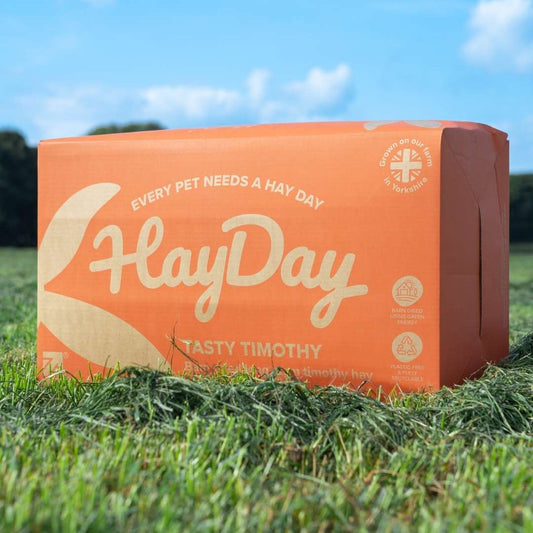
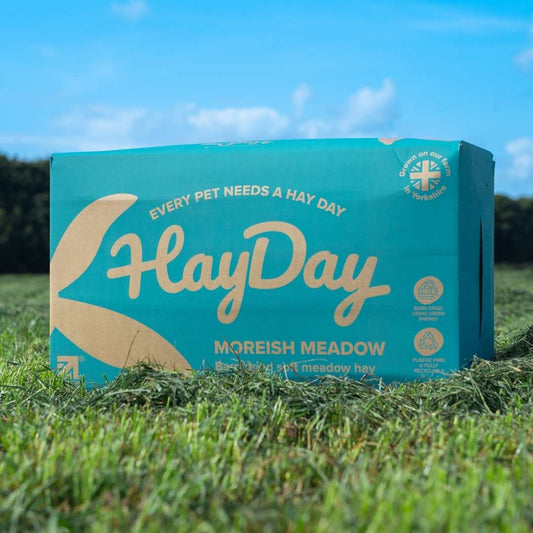
High-quality hay: Timothy hay or meadow hay should make up the bulk of their diet, with ryegrass hay added for variety
-
Pellets: Around an egg-cup full per day — look for pellets fortified with vitamin C
-
Fresh vegetables: Leafy greens like kale or bell peppers every day keep their vitamin C levels topped up
-
Fresh water: Clean, accessible water at all times — no exceptions
It's also worth remembering that guinea pigs are naturally social creatures. In the wild, they live in close family groups of up to 10, so they're always happiest with a companion by their side.
The Golden Years: Senior Guinea Pigs (5 Years and Up)
Around the five-year mark, guinea pigs enter their senior stage and deserve a little extra attention. Weight can become an issue in both directions — some slow down and gain weight, while others lose it due to age-related changes — so keeping an eye on their condition is key.
Other things to consider for older guinea pigs include:
-
More frequent health check-ups to catch common age-related concerns like arthritis and dental problems early
-
Easier access to food, water, and hideouts as their mobility naturally decreases
-
Softer bedding to ease pressure on aging joints
-
Regular teeth monitoring, as dental issues become more common and can quietly affect their ability to eat
With a few thoughtful adjustments, senior guinea pigs can stay comfortable and content well into their golden years.
What Affects a Guinea Pig's Lifespan?
Several key factors determine how long a guinea pig lives — from the genes they're born with to the daily care they receive.
Genetics
Some guinea pigs are simply born with advantages — or challenges — based on their breed and family history. Certain breeds may have longer natural lifespans or be predisposed to specific health conditions. Understanding your guinea pig's background helps you anticipate their needs and tailor their care accordingly.
Diet and Nutrition: Getting It Right at Every Stage
Food plays a huge role in guinea pig health, and nutritional needs shift across their lifetime:
-
Babies and juveniles benefit from extra calcium and protein to support healthy growth — alfalfa hay is a great option here
-
Adults thrive on a balanced diet centred around timothy hay or meadow hay to maintain a healthy weight
-
Seniors often do better with easily digestible foods and lower calcium intake to reduce the risk of bladder stones
One thing that stays consistent across every life stage is the need for vitamin C. Unlike most animals, guinea pigs lack the enzyme needed to produce it naturally and can only store it for short periods — making a vitamin C-rich diet absolutely essential. Great vegetable sources include:
-
Asparagus
-
Kale
-
Parsley
-
Red cabbage
-
Spinach (in moderation)
-
Summary
With the right care, you'll share lots of happy moments with your guinea pigs and ensure that they live a happy and healthy life.
From babies, until your more senior guinea pigs - at each stage of life they require different diet, nutrition and spacing requirements, which is why it's super important to understand your guinea pigs specific needs.
Relevant Links
Best Foods for Guinea Pigs - HayDay HQ
Can Guinea Pigs Eat Rabbit Food - HayDay HQ
Guinea Pig Health: How To Spot Symptoms - HayDay HQ
Frequently Asked Questions
What are the common health issues in guinea pigs?
Common health issues in guinea pigs include scurvy, respiratory infections, dental disease, urinary tract infections and nutrient deficiencies. Regular veterinary check-ups, at least once a year, can help ensure their well-being.
How can I ensure my guinea pig has a balanced diet?
To ensure your guinea pig has a balanced diet, focus on providing unlimited quantities of high-quality hay, an egg-cup full of vitamin C-rich pellets and vegetables.