
Hay is made from dried grasses and legumes, harvested specifically as animal feed. It carries a strong nutritional profile — rich in fibre, protein, and essential nutrients — and makes up 80–90% of a small pet's daily diet.
Straw, on the other hand, is the leftover stalks from harvested grain crops like wheat and barley. It has very little nutritional value, but excels as bedding material thanks to its dry, absorbent structure.
Here at HayDay, we grow our own hay on our family farm — so when it comes to knowing the difference between the two, we're speaking from the ground up.
Hay and Straw at a Glance
-
Hay is made from dried grasses and legumes; straw is a byproduct of cereal grain crops
-
Hay is used as nutritious animal feed; straw is primarily used for bedding
-
Quality hay and straw can both be identified by their colour, smell, and the absence of mould or foreign matter
-
Proper storage is essential for maintaining the quality and benefits of both
What Is Hay?
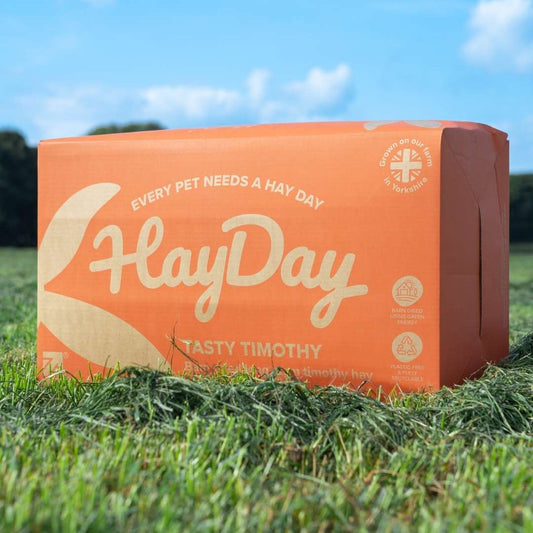
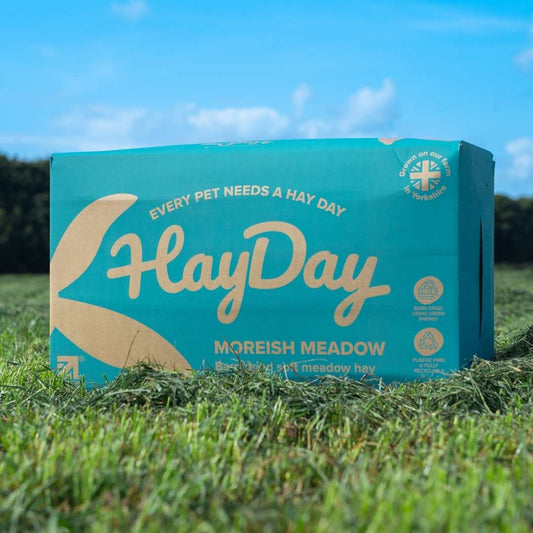
Hay is essentially dried grass, harvested and baled to be used primarily as animal feed. It includes a variety of grasses and legumes, such as our premium barn dried Timothy Hay, Meadow Hay, Ryegrass Hay and Alfalfa Hay.
Hay is rich in nutrients and provides essential vitamins and minerals to small animals such as rabbits, guinea pigs, and larger livestock animals.
Different types of hay cater to the nutritional needs of various different animals. For example, Alfalfa Hay is highly valued for its high protein and calcium and is often fed to growing small pets (up to 6 months).
Grass hay, which includes Timothy Hay, Meadow Hay and Ryegrass Hay, is a common choice for adult small pets as well as livestock such as horses, due to their nutritional profile and low dust content, which helps prevent respiratory issues.
Quality hay is identified by its bright green colour, sweet smell and long stems. This indicates that the hay was harvested at the right time, dried appropriately and has retained its nutritional value. Good hay should be free from mould, dust, and foreign objects, ensuring it’s safe and beneficial for animal consumption.

What Is Straw?
Straw is the dry stalks left after cereal grains like wheat, barley and oats have been harvested. Unlike hay, which is green and nutrient-rich, straw is typically yellow or golden and lacks significant nutritional value.
It’s mainly used as bedding for animals due to its absorbent properties and softer texture.
The production of straw involves combining the cereal crops to remove the grain, leaving behind the stalks.
These stalks are then baled and used in various agricultural applications. Types of straw include:
-
Barley straw
-
Oat straw (you can also produce oat hay by harvesting the oats differently)
-
Wheat straw
Each type of straw has slightly different properties but similar uses.
Straw’s primary use is as bedding for small pets and livestock, particularly for rabbits, guinea pigs, chinchillas, and degus, as well as for cattle and horses. Its absorbent nature makes it ideal for keeping animal's dry, insulated and comfortable.
Main Differences Between Hay and Straw
Several physical characteristics make it easy to distinguish hay from straw once you know what to look for.
Colour is the most immediate giveaway. Hay typically carries a green hue — a good indicator of its nutrient content and overall quality. Straw, by contrast, is yellow or golden, reflecting its origins as a post-harvest byproduct rather than a purpose-grown feed crop.
Weight is another useful clue. A bale of straw tends to feel noticeably lighter than a same-sized bale of hay, largely because straw stalks are hollow — giving them bulk without much mass.
Then there's smell. Fresh, good-quality hay has a sweet, grassy aroma that animals are naturally drawn to. Straw smells far more neutral and earthy — fitting for bedding, but with none of the palatability that makes hay such an appealing feed source.
Getting familiar with these differences means you can quickly assess what you're looking at — and make confident choices about what your small pet actually needs.
Uses of Hay
Hay is a cornerstone of animal feed, providing essential nutrients to many animals, especially small pets and livestock.
Hay for small animals
Hay is crucial for small herbivores like rabbits, guinea pigs, chinchillas, and degus for several key reasons, contributing to their digestive health, dental well-being, mental stimulation, and balanced nutrition.
Digestive Health
Hay is a fibre powerhouse, vital for the digestive systems of these small pets - more specifically, high fibre content is found in Timothy Hay. This fibre content ensures the correct movement through their gut, preventing serious issues like GI Stasis.
Dental Health
The teeth of small herbivores grow continuously. Chewing on hay's coarse, long fibres naturally wears down their teeth, preventing painful overgrowth of incisors or molars.
Mental Wellbeing
Hay provides mental enrichment by mimicking the natural foraging instincts of small herbivores. In the wild, these animals spend a significant amount of time searching for food. Feeding hay replicates this behaviour, keeping them mentally stimulated and preventing boredom.
Balanced Nutrition
While hay is not the sole food source, it offers essential vitamins and minerals that contribute to the overall health of rabbits, guinea pigs, chinchillas, and degus.
Incorporating hay into the diet of small herbivores (approximately 80% to 90%) is essential for their health and happiness, ensuring they thrive in a domesticated environment.

Uses of Straw
Straw is primarily used as animal bedding due to its absorbent nature and structure. It is an excellent choice for small pets like rabbits, guinea pigs, chinchillas, and degus, offering unique benefits that differentiate it from hay.
Benefits of Straw Bedding
Straw is highly absorbent, effectively controlling moisture in pet enclosures. This helps reduce odours and helps to maintain a cleaner environment.
Small animals enjoy burrowing and creating nests. Straw provides a soft and comfortable material for them to build their cosy havens, enhancing their living experience.
Straw is generally more affordable than other types of bedding, making it a cost-effective option for pet owners.
Identifying Good Quality Hay and Straw
Identifying good quality hay is crucial for ensuring the health and well-being of small pets. Here are some characteristics of high-quality hay:
-
It should be green, with long stems, and sweet-smelling.
-
It should be free of dust
-
It should be visibly clean of mould and foreign objects
Similarly, good quality straw should be:
-
A yellow or golden colour
-
Free of mould or dust
-
Not contain any foreign objects
-
Have a high proportion of hollow stalks, indicating better absorbency and structural integrity.
Proper storage and handling can help maintain the quality of both hay and straw, ensuring their effectiveness in their respective uses.
Storing Hay and Straw
To preserve their quality and effectiveness, hay and straw need to be stored properly. Here are some tips for storing hay:
-
Store hay and straw in a dry, well-ventilated area to prevent mould and preserve its nutritional value.
-
The best place to store hay and straw is a barn or shed that is free of leaks and allows for good air circulation.
-
Proper stacking techniques can help ensure adequate ventilation and stability.
By following these guidelines, you can preserve the quality of your stored hay and straw - all year round.
Regularly inspecting and checking the stored hay and straw can help prevent any further health issues in your furry friends.
Click here > For more hay storage top tips!
Summary
In summary, hay and straw serve distinct purposes in keeping your small pet's healthy and happy.
Hay, with its rich nutritional content, is essential for feeding various rabbits, guinea pigs, chinchillas and degus, plus livestock and horses, while straw excels as absorbent and comfy bedding option.
Quality is key when selecting hay and straw. Good quality hay should be green, dust-free and sweet-smelling, while good quality straw should be a beautiful golden colour and free of mould.
Proper storage techniques are crucial to maintaining their effectiveness, ensuring they serve their intended purposes well.
Whether you’re feeding your small pets, looking after livestock, or needing a suitable bedding option, the knowledge gained from this article will help you make the best choices for your pet's specific needs.
Relevant Links
Timothy Hay vs Ryegrass Hay: The difference & feeding tips
Types of Hay for your Small Animals
Frequently Asked Questions
What is the primary difference between hay and straw?
The primary difference between hay and straw is that hay is used as animal feed for its nutritional content, while straw is used as bedding for its absorbent properties.
Ultimately, hay is for feeding animals, while straw is for providing bedding.
How can I identify good quality hay?
Look for green, leafy hay with a sweet smell, and make sure it's free from mould, dust, and foreign objects to identify good-quality hay.
How should I store hay to maintain its quality?
Store your hay in a dry, well-ventilated area like a barn or shed, and avoid it having access to the sun (as this will cause sun bleaching). This will help maintain its quality.