
Yes, rabbits can eat kale, but moderation is key. Like many additions to your rabbit’s diet, kale should be fed in small amounts and introduced gradually to avoid disrupting their sensitive digestive system.
Kale is a nutritious leafy green that can be a beneficial part of your rabbit’s diet when fed correctly and with the right portion size. Ensuring your rabbit has access to unlimited premium hay, such as our best hay for rabbits, is the foundation of a healthy diet.
Here at Hay Day, we’re experts in hay, but this guide on kale will walk you through the benefits of feeding kale, the possible risks, and how to responsibly incorporate it into your rabbit’s diet without causing digestive issues.
Kale for rabbits – overview
Feed kale to rabbits in moderation due to its rich nutrient profile, but be aware of its high calcium content, which could lead to health issues if overconsumed (Redrobe, 2002).
Ensure a balanced diet for your bunny with:
-
A variety of leafy greens
-
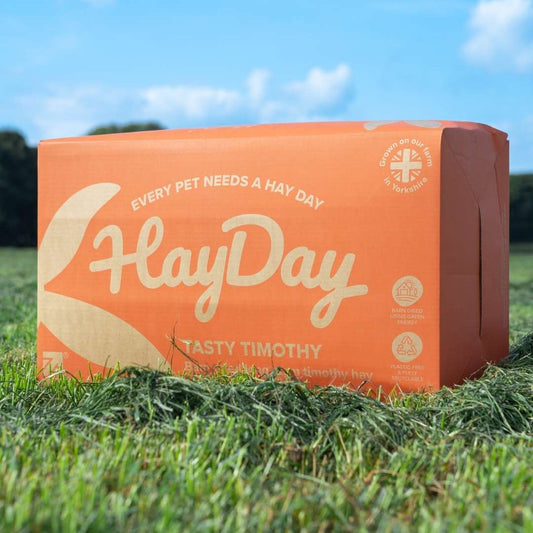
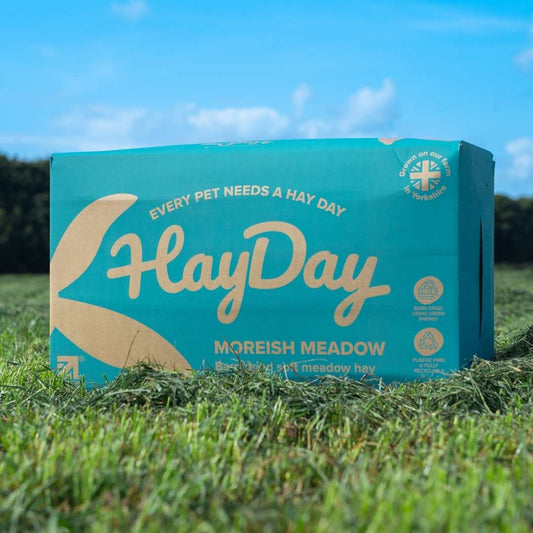
Constant access to premium quality Timothy hay or Meadow hay
-
Fresh water at all times
-
Limited fruits
-
No harmful foods
Follow our recommendations by introducing kale gradually and mixing it with other fresh safe vegetables to maintain your rabbit’s health and prevent dietary imbalances.
Are kale’s nutritional benefits worth the risks?
Kale, a leafy green from the cabbage family, has gained popularity with rabbit owners for its nutrient-dense content, including vitamins A, C, and K, calcium, and fibre (USDA, 2024).
The answer is yes – kale can hold real benefits for rabbits. Just like collard greens, you should feed kale to rabbits in moderation, introducing it gradually to their diet.
Like any rabbit-safe veg, kale can significantly contribute to your rabbit’s health by supplying necessary vitamins and minerals that they may not get from other parts of their diet. However, the high calcium in kale poses potential risks that we’ll discuss further in this guide (Redrobe, 2002).
What vitamins and minerals does kale provide?
Rabbits can benefit greatly from kale’s extensive nutrient profile. It is rich in:
-
Vitamin A, which supports vision
-
Vitamin C, which supports immune function
-
Vitamin K, which supports blood clotting (USDA, 2024)
Kale also provides calcium, which is crucial for bone health and function in rabbits.
What are the risks of feeding kale to rabbits?
While kale’s high calcium content can be beneficial, it also presents potential risks if consumed excessively.
Consistent consumption of high-calcium foods like kale can lead to an accumulation of calcium in the system, which may result in kidney stones in rabbits (Redrobe, 2002; Miller, 2022). This is because rabbits absorb the full amount of calcium from their food, excreting the excess through their urine.
For rabbits prone to bladder or kidney stones, kale should be limited or avoided entirely.
How do I introduce kale to my rabbit?
Wondering how to incorporate kale into your bunny’s diet? Gradual introduction is the answer – not just for kale but for any new food you introduce to your rabbit.
Start with small portions of kale, introduced slowly over a period of 7 to 14 days, gradually increasing the amount to allow your bunny to adjust while you observe their digestion. This approach helps prevent potential digestive issues.
As a rabbit owner, always watch your furry friend for signs of digestive upset, such as diarrhoea or gas, after introducing new foods.
How does kale fit into a balanced rabbit diet?
At this point, it’s important to remind you that our premium barn-dried hay is the staple in any rabbit’s and small pet’s diet. While kale can be a nutritious addition, a balanced diet for rabbits goes far beyond this leafy green.
A rabbit’s digestive health greatly depends on a hay-rich diet, which supplies the fibre necessary for optimal gut function. Great hay choices include:
-
Timothy hay
-
Meadow hay
-
Ryegrass hay (primarily fed for added enrichment in smaller quantities)
In addition to unlimited access to hay (80–90% of diet), your rabbit’s diet should also consist of:
-
Clean, fresh water available at all times
-
Fresh vegetables, which will enrich your rabbit’s diet and deliver vital nutrients. These veggies should form around 5–10% of an adult rabbit’s diet (Miller, 2022)
-
An egg cup full of rabbit-specific pellets or nuggets
Why is fresh water essential for rabbits?
Maintaining a rabbit’s health strongly depends on proper hydration. Rabbits require continuous access to clean water, as their hydration level is critical for digestive health and preventing life-threatening conditions such as GI stasis.
Water bowls are preferable over bottles for rabbits because they allow for natural drinking behaviour and avoid the risks of clogging or freezing. Cleanliness is also essential, so keep water bowls clean and free from algae and ice.
Why is variety important in a rabbit’s diet?
Apart from hydration, a diverse diet is vital for bunnies. It’s important to feed a variety of vegetables (and fruit in moderation) to prevent boredom. We wouldn’t like to eat the same foods 24/7, so let’s treat our rabbits the same way.
A blend of leafy greens supplies essential nutrients and varying tastes and textures, enriching a rabbit’s diet. In addition to kale, consider including other approved leafy greens such as:
-
Carrot tops
-
Romaine lettuce
-
Parsley
-
Spinach
What else can rabbits eat besides leafy greens?
It’s not just leafy greens that your rabbit can enjoy. They can also nibble on a range of different herbs, such as basil and dill, which are safe for inclusion in their diet.
Nonetheless, not all foods have equal nutritional value for rabbits. Fruits like apples and plums, while tasty, should be considered occasional treats due to their high sugar content.
What vegetables are safe for daily feeding?
Non-leafy vegetables, which provide essential vitamins and minerals, are a vital part of a rabbit’s daily diet. Safe non-leafy vegetables for daily consumption by rabbits include:
-
Celery
-
Cucumber
What should be treated as occasional treats?
Alongside providing your rabbit with a balanced diet of hay and vegetables, occasional treats are also permissible.
Fruits such as apple and banana can be given to rabbits in small quantities. Remember, these are treats and should not make up a significant portion of your rabbit’s diet.
What foods must rabbits avoid?
While we’ve discussed many foods that are safe for rabbits, it’s equally important to be aware of the foods to avoid. Certain foods can be harmful or even fatal to rabbits.
Processed foods such as bread, pasta, and cookies can cause digestive upset and obesity. Rabbits should also never consume:
-
Dairy products
-
Eggs
-
Meat
-
Any other animal-derived proteins
It’s crucial to keep these foods out of your bunny’s reach to protect them from harm.
Summary
Nourishing your furry friend with a balanced diet is crucial for their health and happiness.
Alongside kale, a rabbit’s diet should include:
-
A variety of leafy greens and safe vegetables
-
Hay forming the bulk of their diet (80–90%)
-
Fresh water at all times
-
Occasional treats such as small amounts of fruit
Feeding your rabbit isn’t just about providing nutritious food. It’s also about monitoring their health, ensuring they have continuous access to fresh water, and enriching their diet with a variety of tastes and textures.
With kale fed in moderation and as part of a varied diet, your rabbit can enjoy this leafy green safely and responsibly.
Frequently Asked Questions
What other foods can rabbits eat?
Rabbits can eat vegetables, herbs, fruits, and root vegetables in moderation as treats. Just make sure to introduce new foods slowly, as sudden dietary changes can upset their stomach.
Are there any foods that are harmful to rabbits?
Avoid feeding rabbits avocados, chocolate, meat, eggs, and dairy, as these can be harmful to them.
Reference List
Miller, C. (2022) Small mammal herbivores, part 2: nutrition for wellness. The Veterinary Nurse, 13 (8): 368- 376
Redrobe, S. (2002) Calcium metabolism in rabbits, Seminars in Avian and Exotic Pet Medicine, Volume 11, Issue 2, Pages 94-101.