
Guinea pigs can eat grapes, but only occasionally, in small amounts, and as part of a diet that’s firmly built around high-quality hay.
At HayDay, we’re often asked about fruit - especially the foods people already have at home. Grapes are a common item you can often find in your cupboards or fridge. They look harmless, guinea pigs seem interested, and they’re often assumed to be healthy.
Grapes are never an essential for guinea pigs, but when fed sensibly alongside unlimited top-quality hay, guinea pig safe pellets and water, they can fit into a healthy and balanced feeding routine.
What guinea pigs can eat safely really matters for their health - so lets dive in now to help you decide what you are willing to feed your guinea pig.
Shop now > Premium Quality Hay for Guinea Pigs.
Are Grapes Safe for Guinea Pigs?
Grapes are not toxic to guinea pigs and are generally considered safe when fed in moderation. Unlike in some animals, grapes don’t pose a poisoning risk, but they are naturally high in sugar, which is where caution is needed.
Because guinea pigs have small, sensitive digestive systems, sweet foods should always be limited. Therefore, if you are considering giving your guinea pig grapes, they work best as an occasional extra rather than a regular food like hay and vegetables!
Do Different Types of Grapes Matter?
From a guinea pig’s point of view, red grapes, green grapes, black grapes, and purple grapes are all broadly similar. There’s no meaningful nutritional difference between varieties that makes one clearly safer than another.
What does matter to your guinea pig's health is:
-
Sugar content (all grapes are high)
-
Whether they’re seedless
-
How much is offered
Seedless grapes are generally easier to prepare, but even seeded grapes can be used if the seeds are removed and the fruit is cut into small pieces.
Very sweet novelty grapes (such as candy-style or extra sweet varieties) should be treated with extra caution and fed even more sparingly, as the higher sugar content can increase the risk of digestive upset.
Colour doesn’t make grapes healthier: portion size and frequency matter far more than variety.
Can Guinea Pigs Eat Grape Skins?
Guinea pigs can eat grape skins, provided the grapes are washed thoroughly first.
The skins themselves aren’t harmful, but they do contain additional sugars and, more importantly, can hold potentially dangerous pesticide residue if not cleaned properly.
For most guinea pigs, grape skins are fine when the fruit is offered occasionally and in small portions. Peeling grapes isn’t necessary, but washing them well before feeding and keeping portions modest is important.
Can Guinea Pigs Eat Grape Leaves?
One to be aware of is that grape leaves should be avoided.
In theory, grape leaves are not toxic to guinea pigs, but they’re not commonly recommended as a food either.
The main concern for your guinea pig is how the leaves have been grown and treated. Grape plants are often sprayed with chemicals that aren’t safe for small animals, even in tiny amounts.
Unless grape leaves are:
-
Home grown
-
Completely pesticide free
-
Offered in very small quantities
…it’s always best to avoid them.
There are far safer leafy green options that provide similar benefits, such as romaine lettuce, cabbage, coriander, parsley, or forage leaves, which are closer to a guinea pig’s natural diet.
How Much Grape Can I Give My Guinea Pig?
If you’re considering feeding grapes to your guinea pigs, portion size matters more than anything else.
Our expert guidance from our in-house nutritionist Briony suggests:
As a general guide, no more than one small grape once a week is appropriate for most guinea pigs. This should always be adjusted based on the individual, with fruit kept as an occasional treat rather than a routine part of the diet.
Anything more than this can quickly tip from treat to too much, particularly for guinea pigs that are less active or prone to digestive sensitivity.
Do Grapes Actually Offer Any Real Benefits?
In small amounts, grapes provide a tiny bit of vitamin C, which guinea pigs need from their diet as they can’t naturally produce this essential vitamin themselves. Plus, they’re also high in water, which can add a small hydration boost.
However, grapes shouldn’t be relied on nutritionally. As we said, there are far better options out there with far less risk.
Why High-Quality Hay Still Matters Most
No fruit (grapes included) comes close to the importance of our premium quality guinea pig hay.
Good quality hay should make up 80 to 95% of a guinea pig’s diet and is the magic tool supporting:
-
Digestive health
-
Dental health
-
Natural grazing behaviour
Poor quality hay can often be dusty, brown in colour and with an unappealing smell, which can lead guinea pigs to eat less fibre (hay) and rely more on pellets or hard feed instead. Over time, that imbalance causes far more health issues than skipping fruit ever would.
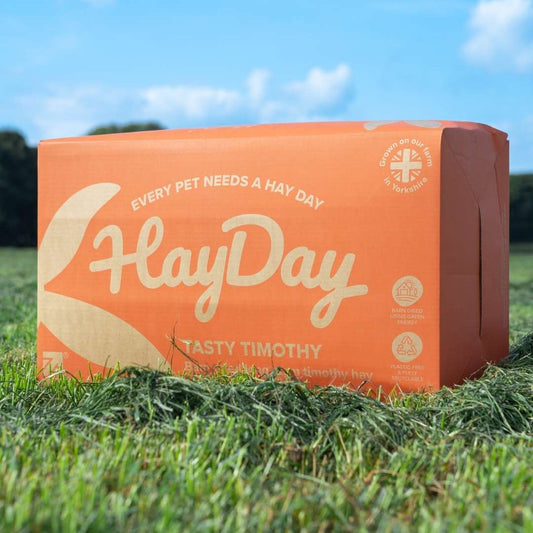
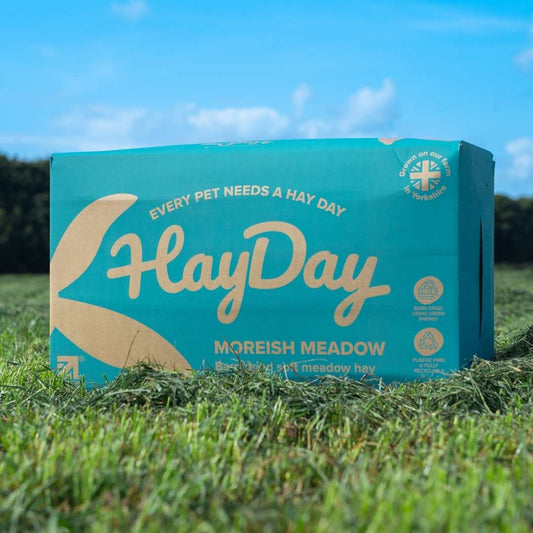
Fresh, fragrant and dust-extracted hay, such as our Timothy Hay, Meadow Hay, Ryegrass Hay, or Oat Hay encourages all day grazing and keeps the digestive system working as it should. A healthy guinea pig diet should look like:
-
80-95% high quality hay - with timothy and meadow hay forming the basis as everyday feeding hays.
-
5-10% guinea pig safe pellets - which are rich in vitamin C
-
5-10% vegetables
-
Unlimited access of fresh water
Risks to Keep in Mind
Even though grapes are safe in small amounts, they still come with downsides as too much sugar can contribute to weight gain and dental issues. Feeding larger portions of grapes can upset digestion and cause soft stools.
As with any fruits, whole grapes or seeded grapes can pose a choking risk if not prepared properly. If your guinea pig shows any changes in the poops they’re producing, appetite or behaviour after eating grapes, it’s best to stop offering them and return to a simple hay-focused diet.
How to Prepare Grapes Safely
If you decide to offer grapes occasionally:
-
Wash them thoroughly
-
Choose seedless grapes or remove seeds completely
-
Cut them into small, manageable pieces
-
Avoid offering other sugary fruits on the same day
Following the simple preparation steps above goes a long way.
Alternative fruit and veg for Guinea Pigs:
Guinea pigs thrive on hay as their main diet, with vegetables forming the bulk of fresh produce and fruits given sparingly as treats due to high sugar content.
Safe alternatives to grapes include vitamin C-rich veggies like bell peppers rocket brocolli and romaine lettuce or even celery for daily feeding, plus occasional fruits like apples, strawberries or kiwi.
Others include bananas, cucumber and pineapple.
The Bottom Line from HayDay
So in terms of the big question, yes, guinea pigs can eat grapes but only occasionally, and in small portions, as part of a diet that’s firmly centered on high quality timothy or meadow hay.
Always remember that grape leaves are best avoided unless you’re absolutely certain they’re pesticide-free, and even then, they’re not a necessary addition to your guinea pig’s diet.
Ensuring the hay that you're feeding is the best quality, and always available to your guinea pigs, treats stay exactly what they should be: occasional extras, and not dietary staples.
Frequently Asked Questions
Can guinea pigs eat grapes with the seeds removed but not cut up?
It’s still best to cut grapes into smaller pieces, even if the seeds have been removed. Smaller portions reduce the risk of choking and make grapes easier for guinea pigs to chew and digest.
Are black grapes safer than green grapes for guinea pigs?
No, black, red, and green grapes are all similar in terms of safety. None are healthier than the others for guinea pigs as the sugar content is high across all varieties.
Can guinea pigs eat grapes straight from the fridge?
Grapes should be allowed to reach room temperature before feeding. Very cold foods can sometimes cause mild digestive discomfort in some guinea pigs.
Can guinea pigs eat grape juice or blended grapes?
No, grape juice or blended grapes aren’t suitable. Juicing removes fibre and concentrates sugar, which can lead to rapid digestive upset.
Can guinea pigs eat grapes if they already eat fruit regularly?
If a guinea pig already receives other fruits, grapes should be reduced or avoided to prevent overfeeding. It’s better to rotate treats than feed them at one time.
Why does my guinea pig squeak loudly when I bring grapes out?
Many guinea pigs learn to associate sweet treats with positive experiences. Vocal excitement doesn’t mean grapes are needed, just that they’re enjoyed.